Yorkshire Terrier
A pocket-sized companion with a silky coat and the fearless heart of a full-grown terrier.
About the Yorkshire Terrier
The Yorkshire Terrier is a product of the industrial north of England, taking shape in the counties of Yorkshire and Lancashire during the mid-19th century. Working-class laborers who came south from Scotland to find work in the cotton mills, woolen factories, and coal mines brought their small terriers with them, and these hardy little dogs were crossed and refined into an efficient ratter. Down in the dank corners of the mills and along the mine shafts, a compact, quick, tenacious dog that could hunt vermin was worth its weight in wages. The breed as we know it emerged from that practical need, and it was not until 1870 that the name “Yorkshire Terrier” stuck, honoring the region where the modern type had been perfected.
What began as a rough-and-ready working dog was quickly noticed for its beautiful flowing coat, and the Yorkie's fortunes changed dramatically. Victorian ladies took to the little terrier as a fashionable lap companion, and by the late 1800s the breed had traveled from the factory floor to the drawing rooms of high society. Selective breeding shrank the dog and refined its silky, floor-length coat, transforming a scrappy ratter into one of the most glamorous toy breeds in the show ring. Yet for all that pampering, the Yorkie never surrendered its terrier core — it remains a bold, self-assured, sometimes downright bossy little dog that seems entirely unaware of its diminutive size.
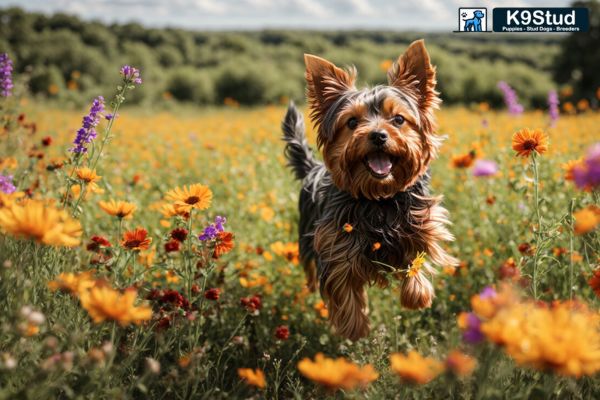
Today the Yorkshire Terrier is a true toy breed, typically weighing just 4 to 7 pounds, yet packed with an outsized personality. Owners are often surprised by how much curiosity, confidence, and attitude fits into such a small frame. Yorkies are affectionate and devoted to their people, forming intense bonds and happily following their favorite human from room to room. That same boldness makes them alert little watchdogs, quick to announce a knock at the door. Long-lived and portable, a well-raised Yorkie can be a wonderful companion for apartment dwellers, seniors, and anyone who wants a big-dog spirit in a lapdog package.
Breed Characteristics
- Stamina Level: Moderate — lively bursts of energy but content with short walks and indoor play
- Grooming: High if kept long — daily brushing for the silky coat, or an easier “puppy cut”
- Training Ease: Moderate — smart and eager but can be stubborn and vocal without consistency
- Size: Toy (4–7 lbs; roughly 7–8 inches at the shoulder)
- Temperament: Bold, confident, affectionate, and lively
Care Requirements
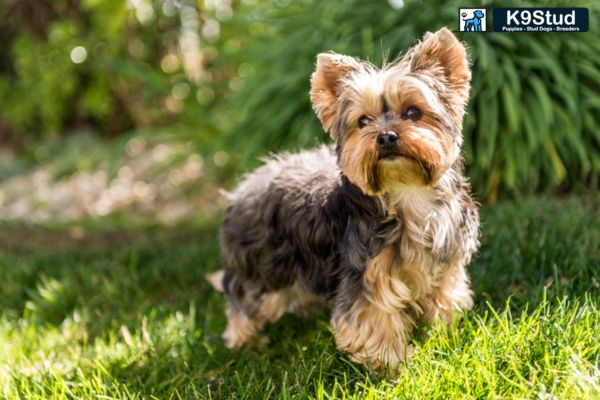
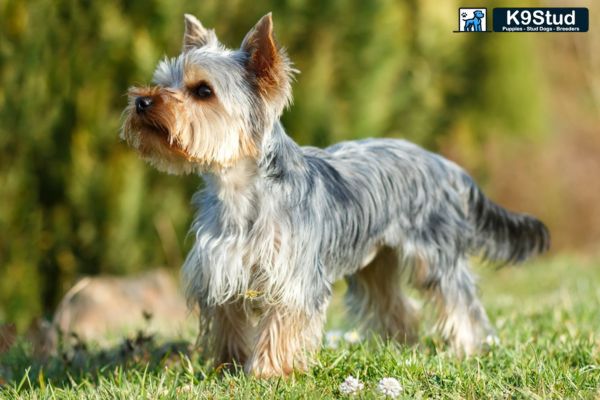
The Yorkie's crowning feature is its coat, which is genuinely hair-like rather than fur — it grows continuously, sheds very little, and is often tolerated by people with mild allergies. That silky steel-blue-and-tan coat comes at a price: kept at full length it needs daily brushing and combing to prevent tangles and mats, plus regular bathing to stay glossy. Many pet owners spare themselves the effort with a short, practical “puppy cut” that only needs a trim every few weeks. Because the mouth is so small and crowded, dental care is essential — brush the teeth often and schedule veterinary cleanings to head off the dental disease this breed is prone to.
Beyond grooming, a Yorkie's small size demands sensible daily management. Always walk your dog on a harness rather than a collar, since pressure on the throat can trigger or worsen tracheal collapse, a common concern in the breed. Feed puppies small, frequent meals to guard against hypoglycemia, and keep an eye out for luxating patellas and the liver condition known as a portosystemic shunt. These are fragile dogs that can be injured by a fall or a rough handful, so supervise them carefully around young children and larger pets, and give them a warm, secure spot to rest.