Shih Tzu
An ancient palace companion from Tibet and China — the affectionate little “lion dog” bred for nothing but love.
About the Shih Tzu
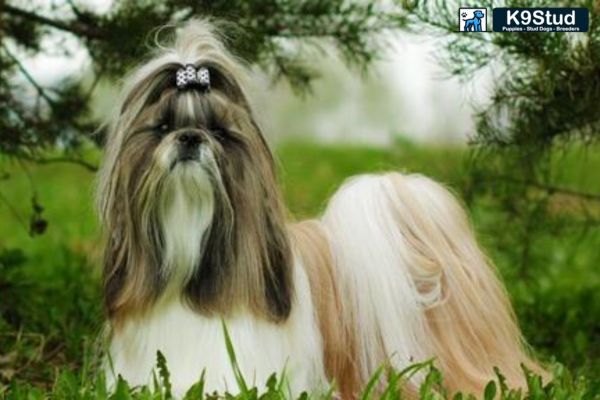
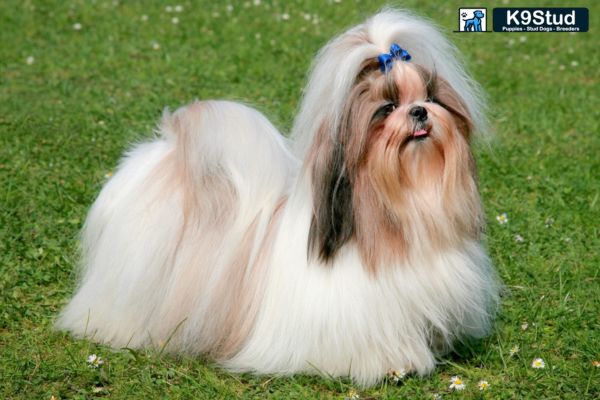
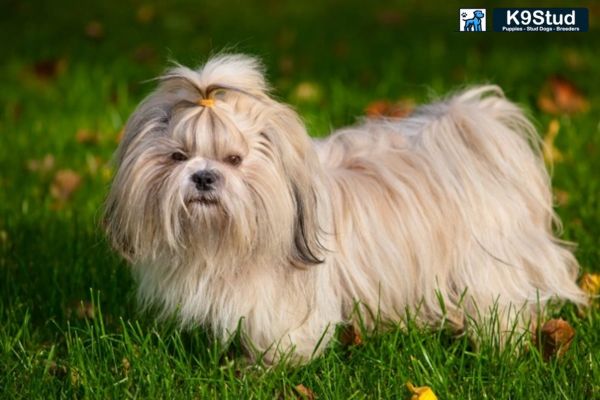
Few breeds carry a pedigree as regal as the Shih Tzu's. Its very name is Mandarin for “lion dog,” a nod both to the lion revered in Tibetan Buddhism and to the flowing, mane-like coat that frames its face. The breed's roots reach deep into the highlands of Tibet, where small companion dogs were kept by monks and later given as prized gifts to the emperors of China. Behind the walls of the Forbidden City, these dogs were refined over centuries into the sweet-faced palace pet we know today — a dog whose only job, then and now, was to be a devoted companion.
For all its royal history, the modern Shih Tzu is a remarkably down-to-earth little dog. Sturdy and solid for its size at roughly 9 to 16 pounds, it is a true toy breed built for companionship rather than work or sport. Shih Tzu are famous for being outgoing, trusting, and genuinely affectionate — they tend to greet the world as one big group of friends. That easygoing warmth makes them excellent with children, welcoming toward strangers, and generally happy to share a home with other dogs and cats. This is a lap dog in the truest sense, one that would rather be beside you than anywhere else.
Prospective owners should know that the Shih Tzu nearly vanished in the early twentieth century, surviving on a tiny handful of dogs before dedicated breeders in China and later England rebuilt the line. The breed reached the West after World War II and was recognized by the American Kennel Club in 1969. Today the Shih Tzu remains one of the most popular companion breeds in the world, valued not for guarding or herding but simply for being a cheerful, loving presence at home.
Breed Characteristics
- Stamina Level: Low to moderate — a companion, not an endurance athlete
- Grooming: High; a long flowing double coat that needs daily brushing or a short “puppy cut”
- Training Ease: Moderate — smart and willing but a touch stubborn; housetraining takes patience
- Size: Toy (9–16 lbs; about 8–11 inches at the shoulder)
- Temperament: Affectionate, outgoing, playful, and thoroughly people-oriented
Care Requirements
That glorious coat is the Shih Tzu's biggest commitment. The long, double coat mats easily and needs thorough brushing and combing every day if kept full length; many owners opt instead for a short, low-maintenance “puppy cut” from a groomer every few weeks. Either way, the hair above the eyes should be tied into a topknot or trimmed to keep it out of the face, and the eye area needs gentle daily wiping to prevent tear staining and irritation. Regular ear cleaning, nail trims, and attention to the folds of the muzzle round out the routine.
Exercise needs are modest — a couple of short daily walks and some indoor play are plenty. Because the Shih Tzu is brachycephalic, or short-faced, it can struggle to breathe and cool itself in heat and humidity, so keep activity gentle in warm weather and never leave one in a hot car or yard. Watch the prominent eyes, which are prone to scratches and ulcers; guard against dental disease caused by crowded teeth in that small jaw; and buy from breeders who screen for hip and patella (kneecap) problems.