Poodle
A brilliant water retriever in an elegant coat — three sizes, one endlessly clever dog.
About the Poodle
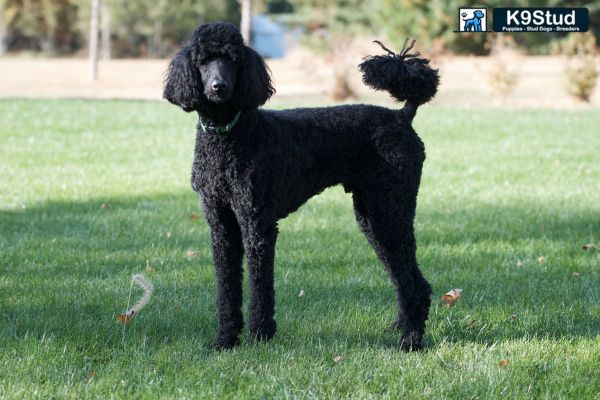
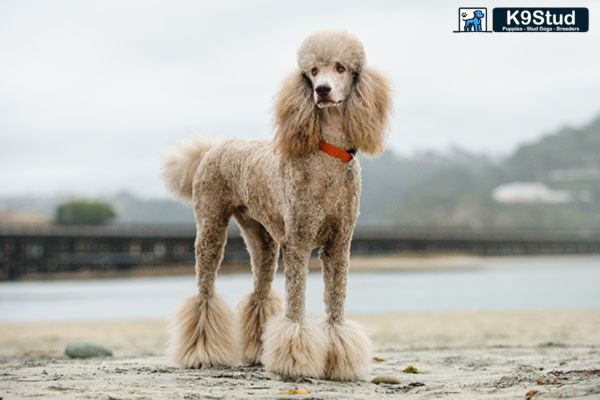
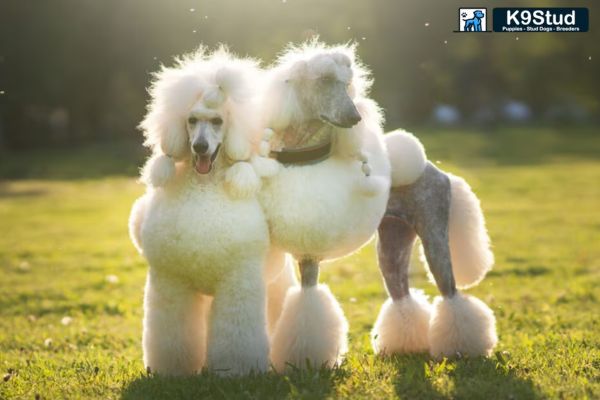
Despite a modern reputation for pampered elegance, the Poodle began life as a hard-working gun dog. The name comes from the German Pudel, from pudeln, “to splash in water,” and the breed's original job was retrieving downed ducks from cold ponds and rivers. Even the famous show trim is functional in origin: hunters shaved the hindquarters and legs to help the dog swim, while leaving puffs of hair over the joints and vital organs to keep them warm. Germany is generally credited as the breed's homeland, but it was France that refined and popularized the Poodle to the point that many people still think of it as a French dog — it is, after all, the national breed of France.
The Poodle comes in three size varieties that share one standard and one temperament. The Standard is the oldest and largest, standing over 15 inches at the shoulder and typically weighing 40 to 70 pounds, with males at the heavier end. The Miniature stands 10 to 15 inches and weighs roughly 10 to 15 pounds, while the tiny Toy stands under 10 inches and weighs about 4 to 6 pounds. All three are judged by the same criteria; only height separates them officially. This range means a prospective owner can find a Poodle to suit an apartment or a working farm, without giving up the breed's signature brains or trainability.
That intelligence is the Poodle's calling card. In Stanley Coren's widely cited ranking of canine working and obedience intelligence, the Poodle sits at number two, behind only the Border Collie — a dog that learns new commands in a handful of repetitions and obeys a known cue the vast majority of the time. Poodles are alert, sensitive, and eager to work with their people, which is exactly why they became fixtures in traveling circuses and are a top choice for obedience, agility, and service work today. The flip side of all that cleverness is that a bored Poodle will find its own entertainment, so this is a breed that genuinely needs a job, a game, or a training goal to stay happy.
Breed Characteristics
- Stamina Level: High, especially in Standards — a true athletic retriever built for swimming and running
- Grooming: Demanding; the curly coat grows continuously and needs professional clipping every 4–6 weeks plus frequent brushing
- Training Ease: Outstanding — ranked #2 for working intelligence and among the most trainable of all breeds
- Size: Three varieties — Standard (over 15 in, 40–70 lbs), Miniature (10–15 in, 10–15 lbs), Toy (under 10 in, 4–6 lbs)
- Temperament: Intelligent, affectionate, playful, and sensitive; loyal and closely bonded to family
Care Requirements
The Poodle's dense, curly coat grows continuously rather than shedding out, so the loose hairs stay trapped in the curls instead of covering your floors. That low-shedding trait is why the breed is so often tolerated by people with allergies, but it is important to be honest: no dog is truly hypoallergenic, and Poodles still produce dander and saliva proteins that can trigger sensitive individuals. The same coat that traps shed hair also mats quickly, so plan on brushing and combing to the skin several times a week and a professional groom for bathing and clipping every four to six weeks.
Beyond the coat, Poodles need daily physical and mental exercise — a Standard in particular thrives on swimming, fetch, long walks, and structured training games. Buy from breeders who health-test their stock: the parent club recommends hip evaluations and eye exams (including screening for progressive retinal atrophy, or PRA) across the varieties, and Standard Poodle owners should pay special attention to Addison's disease and to bloat (gastric torsion), both of which appear disproportionately in the larger variety. Feeding measured meals and avoiding hard exercise right after eating helps reduce bloat risk.