Labrador Retriever
America's favorite dog for a generation — outgoing, gentle-mouthed, and eager to please.
About the Labrador Retriever
Despite the name, the Labrador Retriever did not come from Labrador. Its ancestor was the St. John's water dog of Newfoundland, a hardy little worker that fishermen used to haul nets, retrieve lines, and fetch escaped cod from the frigid North Atlantic. English visitors admired these dogs in the early 1800s and brought them home, where breeders on the estates of the Earl of Malmesbury and the Duke of Buccleuch refined them into a dedicated waterfowl retriever. The breed we know today was shaped in England, but its salt-water grit was earned off the coast of Canada.
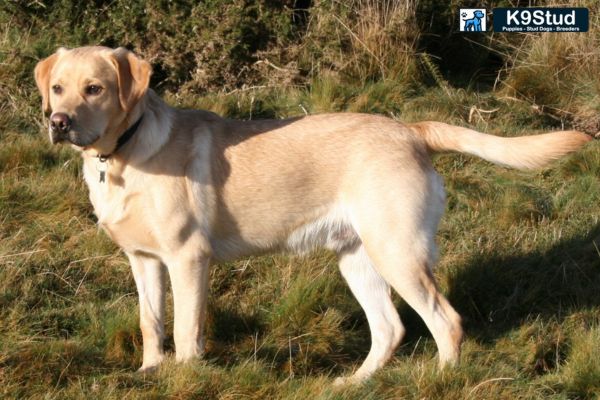
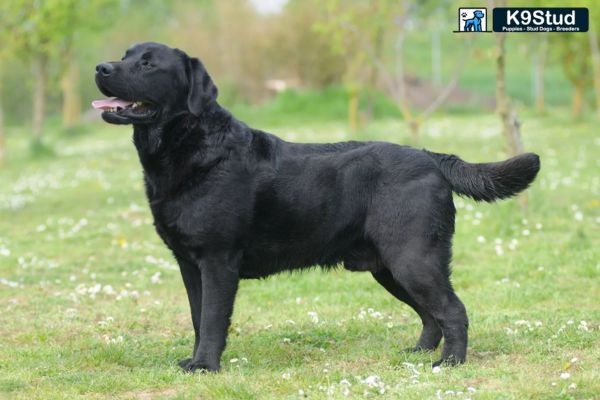
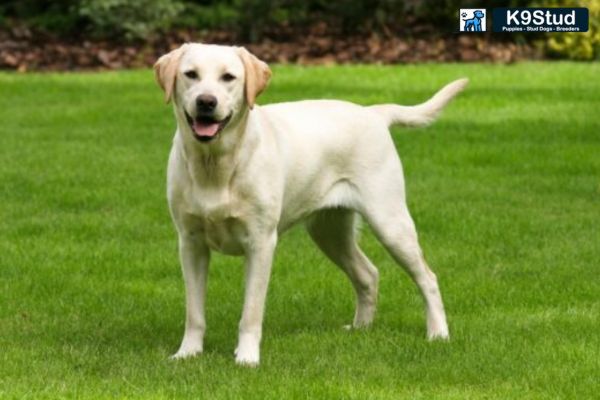
That heritage explains almost everything about the modern Lab. The dense, water-resistant double coat, the thick tapering “otter” tail used as a rudder, and the famously soft mouth that can carry a bird — or an egg — without leaving a mark all trace back to a life spent retrieving from cold water. The three recognized colors, black, yellow, and chocolate, are simply color variations of the same breed and can even appear in a single litter. For more than thirty consecutive years the Labrador was the most registered breed in the United States, a record only recently surpassed in AKC registrations by the French Bulldog.
Temperament is the reason the Lab has stayed so popular for so long. These are outgoing, people-first dogs with an almost bottomless desire to please, which makes them superb family companions and equally gifted as guide dogs, service dogs, therapy dogs, and detection dogs. They tend to greet strangers as friends they simply haven't met yet, so they make poor guard dogs but wonderful household members. Bright and highly food-motivated, a Lab will learn quickly and work happily for anyone who keeps a pocket full of treats.
Breed Characteristics
- Stamina Level: High — a built-for-water sporting breed that needs real daily exercise
- Grooming: Easy but sheds; a short double coat that needs weekly brushing and heavier attention twice a year
- Training Ease: Excellent — eager to please and strongly food-motivated
- Size: Medium to large (55–80 lbs; 21.5–24.5 inches at the shoulder)
- Temperament: Friendly, outgoing, gentle, and devoted to people
Care Requirements
Labs are energetic retrievers, not couch dogs, and they need a genuine outlet every day. Plan on an hour or more of activity — brisk walks, fetch, swimming, or training games — because a Lab with nothing to do will chew, dig, and bounce off the walls. Swimming is a natural favorite and a joint-friendly way to burn energy. The short coat is low-maintenance: a weekly brush keeps it healthy, with more frequent brushing during the two heavier seasonal sheds.
The single most important care issue for the breed is weight. Labradors are relentlessly food-motivated — many carry a gene variant linked to increased appetite — and they will happily eat themselves into obesity, which stresses their joints and shortens their lives. Measure every meal, limit treats, and keep your Lab lean. Buy from breeders who screen for hip and elbow dysplasia, run eye exams for progressive retinal atrophy (PRA), and DNA-test for exercise-induced collapse (EIC).