Great Dane
The “Apollo of dogs” — a towering German giant with the calm, affectionate heart of a house companion.
About the Great Dane
Despite a name that points to Denmark, the Great Dane is a thoroughly German creation, and in its homeland it is still known as the Deutsche Dogge. The breed was developed by the nobility to hunt wild boar and to guard sprawling country estates, work that demanded a dog with tremendous size, courage, and reach. Over generations of refinement the boisterous hunting mastiff was bred toward a more elegant, dignified animal, and by the late nineteenth century Germany had claimed the Deutsche Dogge as its national dog. The old boar-hunting job is long gone, but the breed still carries the noble bearing and quiet confidence of its estate-guardian past.
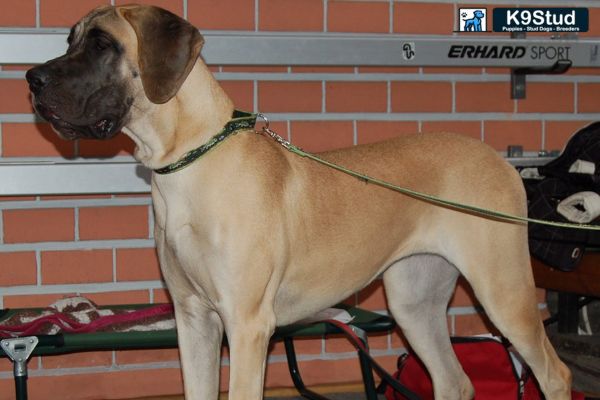
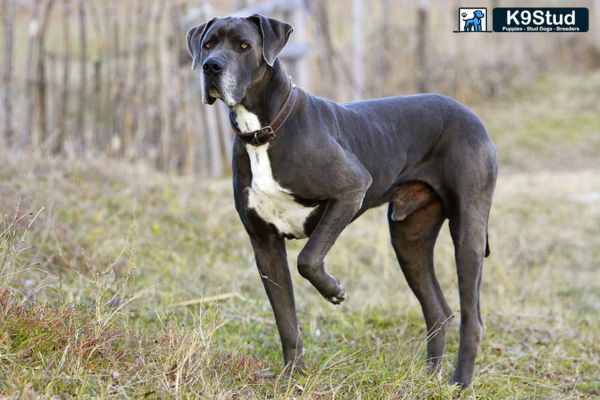
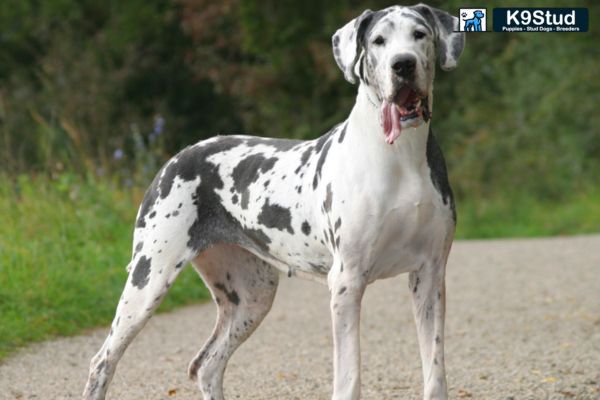
What strikes anyone meeting a Great Dane first is the sheer scale of the animal. Standing this breed earned the nickname the “Apollo of dogs,” after the Greek god of the sun, for its statuesque proportions and commanding presence. Yet the temperament could hardly be more at odds with the imposing frame. The modern Great Dane is the definition of a “gentle giant”: calm, patient, deeply affectionate, and devoted to its people. They are famously good with children and family life, often behaving like an oversized lap dog that has no idea how large it truly is. Their size alone deters trouble, so while they are watchful, they are not sharp or aggressive by nature.
Life with a Great Dane means budgeting for its extremes. This is a dog that can rest a chin comfortably on the dinner table, sweep a coffee table clear with one wag of its tail, and eat a formidable amount of food. Drool is part of the package, especially around the loose-lipped individuals. Most sobering of all is the breed's short life expectancy: giant dogs age fast, and a Great Dane typically lives only about seven to ten years. Owners who go in knowing this — and who commit to careful breeding sources and attentive health management — are rewarded with one of the most loving and companionable dogs in the canine world.
Breed Characteristics
- Stamina Level: Moderate — enjoys activity but is not a high-endurance breed
- Grooming: Low; a short, smooth coat that sheds moderately and needs only weekly brushing
- Training Ease: Good — sensitive and eager to please, but must be trained early while still small
- Size: Giant (110–175 lbs; 28–34 inches at the shoulder)
- Temperament: Gentle, calm, affectionate, and patient — a true family companion
Care Requirements
Great Danes need room and moderate, sensible exercise rather than hard athletic work. A couple of good walks and some yard time each day keep an adult happy and fit; because of their size and joints, avoid strenuous running or repetitive jumping. Puppies especially must never be over-exercised: their bones grow rapidly and controlled, low-impact activity protects developing joints. They are indoor dogs at heart, thin-coated and not built for cold, and they want to be near their family rather than kenneled outside.
Diet and health vigilance define responsible Dane ownership. Feed a large- or giant-breed formula that supports slow, steady growth — overfeeding a puppy to grow it faster invites orthopedic problems. The breed's gravest risk is bloat, or gastric torsion (GDV), and Great Danes are among the highest-risk breeds of all; many owners feed smaller measured meals, avoid exercise right after eating, and elect a prophylactic gastropexy to tack the stomach in place. Also screen for dilated cardiomyopathy, hip dysplasia, and wobbler syndrome, and buy only from breeders who test their stock.