Chihuahua
The tiniest dog in the world — bold, alert, and packed with more personality per pound than any breed alive.
About the Chihuahua
The Chihuahua takes its name from the Mexican state of Chihuahua, where the breed was first noticed by nineteenth-century travelers and eventually carried north into the United States. Most historians believe the modern dog descends from the Techichi, a small companion dog kept by the Toltec and later the Aztec civilizations of central Mexico for well over a thousand years. That deep lineage makes the Chihuahua not only the smallest dog breed in the world but also one of the oldest in the Americas, a tiny survivor of cultures that vanished centuries ago.
Weighing in at just 2 to 6 pounds, the Chihuahua is famous for a personality that has no relationship whatsoever to its size. Bold, alert, and often described as “saucy,” these little dogs carry themselves with the confidence of animals many times larger. A Chihuahua tends to attach itself fiercely to one favorite person, following that human from room to room and guarding the lap like a throne. That intensity is part of the breed's charm, but it also means a Chihuahua can be reserved, suspicious, or downright nippy toward strangers and other dogs when it has not been properly socialized from puppyhood.
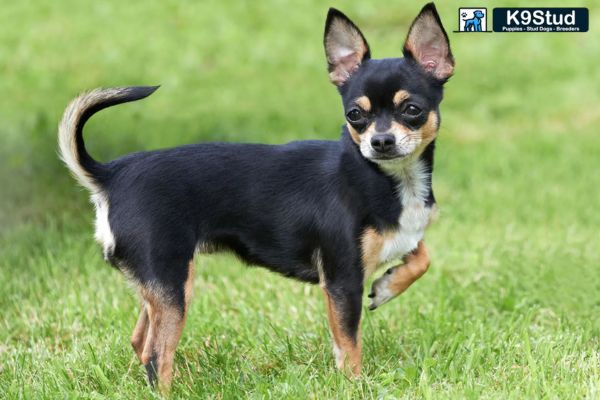
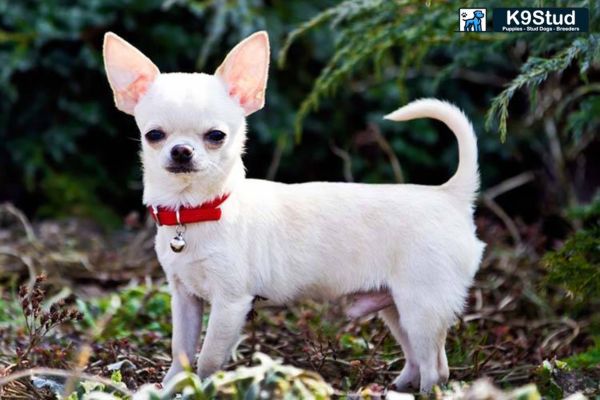
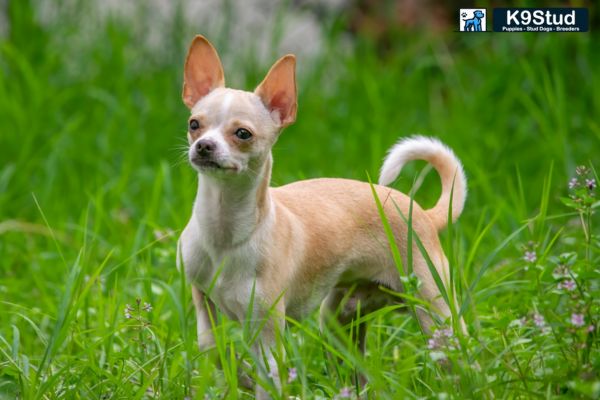
Chihuahuas come in more variety than their size suggests. There are two coat types — the sleek, close-lying smooth coat and the soft, slightly feathered long coat — in a huge range of colors and markings. Enthusiasts also speak of two head shapes: the rounded “apple head,” which is the shape called for in the breed standard, and the longer, more sloping “deer head,” which is popular as a pet but not shown. Whatever the coat or head type, a well-bred Chihuahua is a portable, deeply devoted companion that thrives in apartments, RVs, and the arms of its person.
Breed Characteristics
- Stamina Level: Moderate — lively in short bursts but easily tired by their tiny stride
- Grooming: Low for smooth coats, modest for long coats; both shed lightly and need regular dental care
- Training Ease: Intelligent and eager, but stubborn and slow to house-train without patient consistency
- Size: Toy (2–6 lbs; 5–8 inches at the shoulder)
- Temperament: Bold, alert, saucy, and intensely bonded to one favorite person
Care Requirements
Despite their size, Chihuahuas need daily activity to stay happy and lean — a couple of short walks and some indoor play are usually plenty. Always walk a Chihuahua on a harness rather than a collar, because their delicate windpipe makes the breed prone to tracheal collapse when pressure is put on the throat. They are extremely sensitive to temperature at both ends: their tiny bodies lose heat fast, so a sweater is genuine equipment in cold weather, and they can overheat quickly in summer sun.
Dental care is the single most important part of Chihuahua ownership, as their crowded little mouths are highly prone to gum disease and early tooth loss; brush daily and schedule professional cleanings. Watch young puppies closely for hypoglycemia, feeding small frequent meals to keep blood sugar stable. Buy from breeders who screen for luxating patella and heart issues, and remember that the breed is fragile — a jump from the couch or a squeeze from a small child can cause serious injury, so supervision around young children is essential.