Golden Retriever
The world's favorite family dog — gentle, eager to please, and born to fetch.
About the Golden Retriever
The Golden Retriever was created in the Scottish Highlands during the 1860s by Sir Dudley Marjoribanks, better known as Lord Tweedmouth. Wanting a retriever suited to the wet, rugged terrain of his estate at Guisachan, he crossed a yellow-coated Wavy-Coated Retriever with the now-extinct Tweed Water Spaniel, then folded in a little setter, spaniel, and Bloodhound blood over the following decades. The result was a keen, weather-hardy gundog that could mark a downed bird, plunge into an icy loch, and carry it back to hand without leaving a mark — the prized “soft mouth” that still defines the breed today.
That job shaped the Golden's character as much as its build. Retrieving waterfowl on both land and water demanded a dog that was biddable, tireless, and quick to read its handler, yet gentle enough to be trusted with delicate game. Those same traits have made the modern Golden Retriever one of the most beloved family companions in the world, consistently among the top breeds registered by the American Kennel Club. Their patience with children, sociability with strangers and other animals, and almost eager desire to cooperate set the standard for what people picture when they imagine a “good dog.”
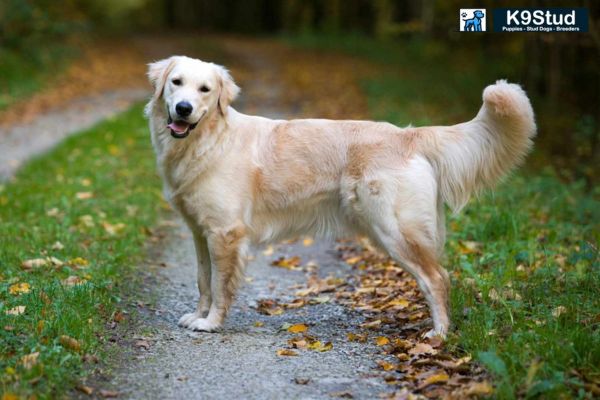
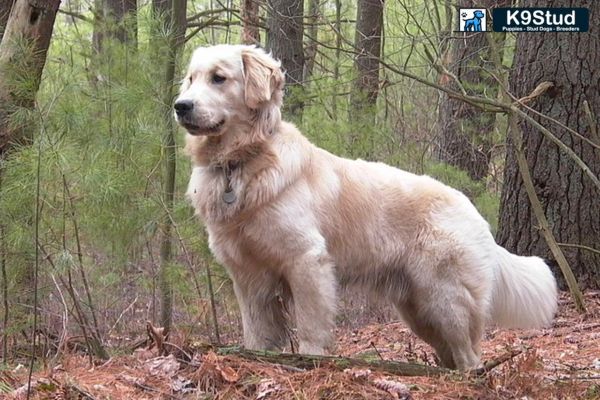
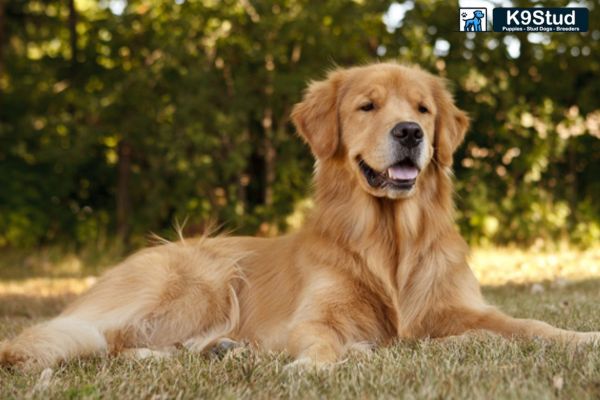
It is no coincidence that Goldens are a leading choice for guide, service, and therapy work. Their intelligence, stable nerves, and genuine love of people make them exceptionally trainable for tasks that require calm focus in unpredictable settings. Prospective owners will also notice two general types: the American Golden, which is typically leaner and a richer golden-to-mahogany shade, and the English or “cream” type, which tends to be stockier with a broader head and a paler, near-white coat. Both share the same affectionate, work-loving heart the breed was built around.
Breed Characteristics
- Stamina Level: High — a sporting breed built for a full day of retrieving
- Grooming: Moderate to high; a water-repellent double coat with feathering that sheds heavily
- Training Ease: Excellent — biddable, food-motivated, and quick to learn
- Size: Large (55–75 lbs; 21–24 inches at the shoulder)
- Temperament: Gentle, friendly, outgoing, and eager to please
Care Requirements
Golden Retrievers are active sporting dogs that need substantial daily exercise paired with real mental work. Aim for at least an hour or two of activity — brisk walks, swimming, fetch, hiking, or dog sports such as obedience, agility, or dock diving — along with training games and puzzle feeders to keep that clever mind busy. A Golden left under-exercised and understimulated will grow bored and mouthy, chewing, counter-surfing, and mounting a campaign for attention.
The breed's dense, water-repellent double coat carries feathering on the legs, tail, and chest, and it sheds year-round with heavy seasonal blows. Brush two to three times a week, and more often during shedding season, to prevent mats and control loose hair. Health is the most important consideration with this breed: Goldens have a notably high lifetime cancer rate, including hemangiosarcoma and lymphoma, and are also prone to hip and elbow dysplasia. Buy only from breeders who provide hip, elbow, eye, and cardiac (subvalvular aortic stenosis) clearances, and keep your dog lean to protect its joints.