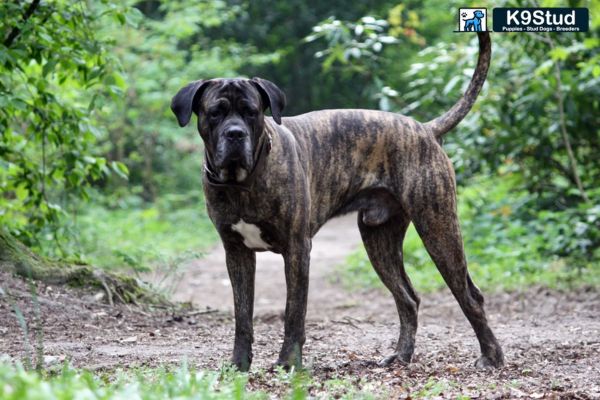
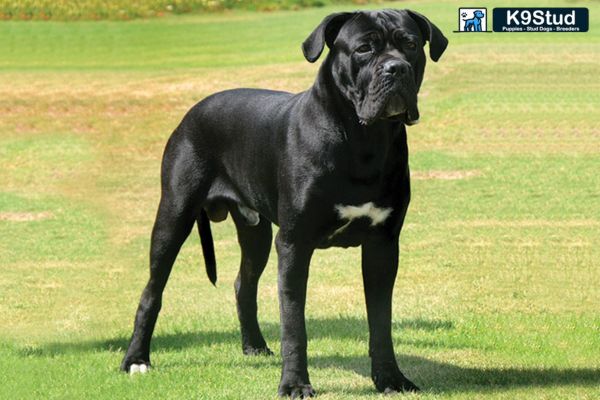
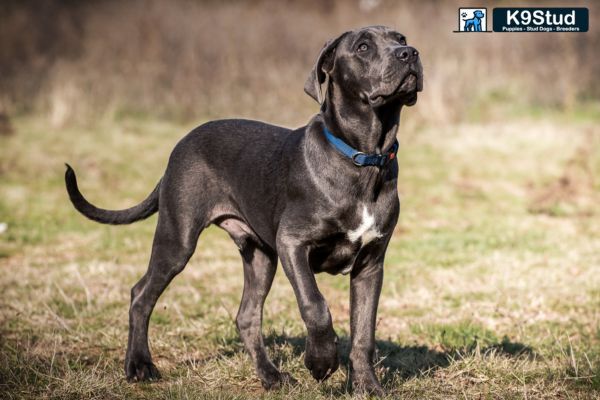
Cane Corso
A majestic Italian mastiff — powerful, intelligent, and fiercely devoted to the family it guards.
About the Cane Corso
The Cane Corso is an Italian mastiff whose lineage runs back to the war and guardian dogs of ancient Rome. Its very name tells the story: “Cane” is simply the Italian word for dog, while “Corso” is widely traced to the Latin cohors, meaning bodyguard or protector — a “bodyguard dog.” For centuries these dogs were the all-purpose farmhand of rural southern Italy, guarding property and livestock, driving cattle, and standing in on dangerous hunts for large game such as wild boar. The breed nearly vanished in the mid-twentieth century before dedicated Italian enthusiasts revived it in the 1970s.
Today's Cane Corso is a large, muscular, and remarkably athletic dog that combines imposing physical power with genuine intelligence. Around its own people it is deeply loyal, affectionate, and even gentle, forming an intense bond with the whole household and shadowing its favorite humans from room to room. That devotion flips to watchful reserve the moment a stranger appears: the Corso is naturally aloof and protective, quietly assessing newcomers rather than greeting them. Bred for millennia to guard, it does not need to be taught suspicion — it needs to be taught balance.
Prospective owners should be honest with themselves about what this breed demands. The Cane Corso is powerful, strong-willed, and territorial, and it is not a good choice for a first-time dog owner. It thrives with an experienced handler who commits to early and extensive socialization and to firm, consistent, positive-reinforcement training that starts in puppyhood and never really stops. Raised well, the Corso is a stable, dignified, and reliable companion; raised without structure, its size and protective drive can make it a serious liability. Matching the dog to a capable, committed owner is everything with this breed.
Breed Characteristics
- Stamina Level: High — an athletic working guardian that needs a daily outlet
- Grooming: Low; a short, stiff coat that is easy to maintain but sheds year-round
- Training Ease: Intelligent and capable, but strong-willed — best for experienced owners
- Size: Large (88–120 lbs; 23–28 inches at the shoulder)
- Temperament: Loyal, affectionate with family, aloof and protective with strangers
Care Requirements
A Cane Corso needs both its body and its mind worked every day. Plan on a solid hour or more of real exercise — brisk walks, jogging, structured play, or pulling and dragging games — alongside mental challenges such as obedience practice, scent work, or a canine sport. Because the breed is territorial and physically formidable, a securely fenced yard is essential, both to contain the dog and to prevent it from taking guarding into its own hands. A bored, under-worked Corso will grow frustrated and difficult.
The short coat makes grooming simple: a weekly brush keeps it clean, though the breed does shed and will leave hair around the home, more heavily during seasonal changes. On health, buy only from breeders who screen their stock. Responsible breeders provide hip and elbow evaluations and cardiac clearances, and select against eyelid problems such as entropion and ectropion. Owners should also learn the signs of bloat (gastric torsion), a life-threatening emergency in deep-chested dogs, and feed measured meals while avoiding hard exercise right after eating.