Boxer
A muscular, endlessly playful German breed that keeps its puppy heart for life — devoted, silly, and deeply attached to its people.
About the Boxer
The Boxer was developed in Germany in the late 1800s, refined from an older mastiff-type dog called the Bullenbeisser — literally “bull-biter” — a powerful hunting dog once used to grip and hold large game such as boar and bison until the hunt arrived. As those grand estate hunts faded, German breeders crossed the Bullenbeisser with a smaller, imported Bulldog to create a lighter, more agile animal with a distinctive undershot jaw built for holding on. The result was formally recognized as the Boxer, and the breed quickly proved its versatility: it pulled carts, guarded homes and shops, and became one of the very first breeds trained for police and military work, serving as a messenger and guard dog through both World Wars.
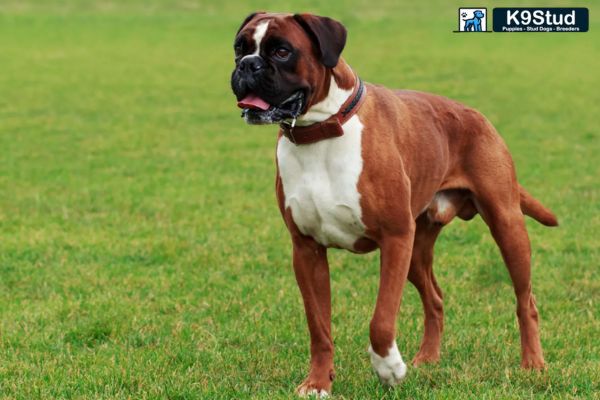
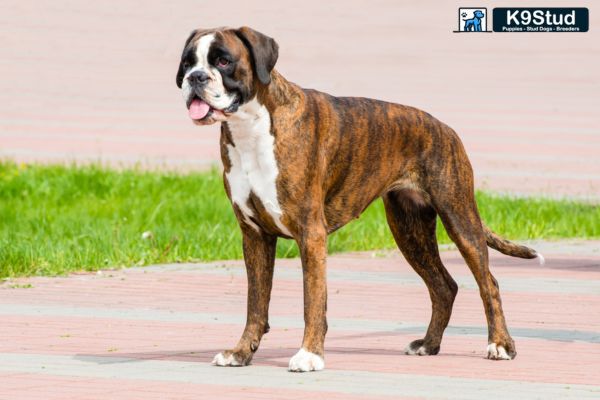
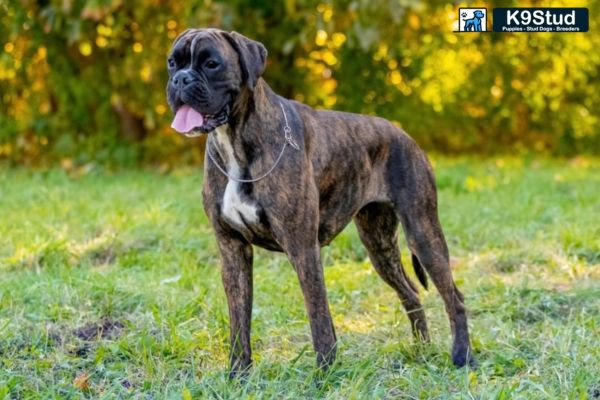
Physically, the Boxer is a medium-to-large, square-built dog of remarkable muscularity, standing roughly 21 to 25 inches at the shoulder and weighing between 55 and 75 pounds. The head is the breed's signature — broad, with a short, blunt muzzle, dark expressive eyes, and a perpetually curious, sometimes comical expression. The coat is short, smooth, and tight, coming in fawn or brindle, frequently marked with white on the chest, feet, and face. For all that athletic power, the Boxer's defining trait is its temperament: it is famously exuberant, goofy, and slow to grow up, often described as “clownish” and staying puppy-like in behavior well into its third or fourth year.
That playful nature makes the Boxer one of the most beloved family companions in the world. Patient, gentle, and protective with children, the breed earned a long-standing reputation as a “nanny dog,” happy to romp with kids one moment and stand watch the next. Boxers bond intensely with their households and genuinely dislike being left alone, thriving as full members of the family rather than backyard dogs. Beneath the silliness is a courageous, alert guardian — wary of strangers until introduced, and quick to put its body between its people and a perceived threat.
Breed Characteristics
- Stamina Level: High — energetic and athletic, needing daily vigorous exercise
- Grooming: Low; a short, smooth coat that needs only weekly brushing and sheds modestly
- Training Ease: Good but requires patience — smart yet bouncy, easily bored, and food-motivated
- Size: Medium–large (55–75 lbs; 21–25 inches at the shoulder)
- Temperament: Playful, devoted, clownish, courageous, and wonderful with children
Care Requirements
Boxers are high-energy dogs that need a solid outlet for their bounce. Plan on at least an hour of vigorous activity daily — brisk walks, fetch, tug, or play in a securely fenced yard — paired with short, upbeat training sessions to keep their busy minds engaged. A Boxer that does not get enough exercise turns that energy into jumping, mouthing, and mischief, so consistent, reward-based training from puppyhood is essential to channel their enthusiasm into good manners.
Because the Boxer is mildly brachycephalic, its short muzzle makes it prone to overheating — avoid strenuous exercise in hot, humid weather, always provide shade and water, and never leave one in a warm car. Some snoring and drooling come with the territory. The short coat is easy: a weekly rubdown with a rubber curry and a wipe of the facial folds is plenty. Most important, buy only from breeders who cardiac-test and health-screen their lines, since the breed carries serious inherited heart and cancer risks discussed below.