
Maltese
An ancient Mediterranean lapdog — tiny, silky-white, and devoted to the people it loves.
About the Maltese
Few breeds can claim a pedigree as old as the Maltese. This diminutive companion has been at the side of people around the central Mediterranean for well over two thousand years, and the ancient Greeks and Romans wrote admiringly of a small white lapdog they linked to the island of Malta. Aristotle mentioned it, Roman ladies carried it in their sleeves, and later European nobility — from Renaissance duchesses to Queen Elizabeth I’s court — treasured it as a living luxury. Through all those centuries the Maltese was never asked to herd, hunt, or guard; its one and only job has always been to be a beloved companion, and it has been perfecting that role for millennia.
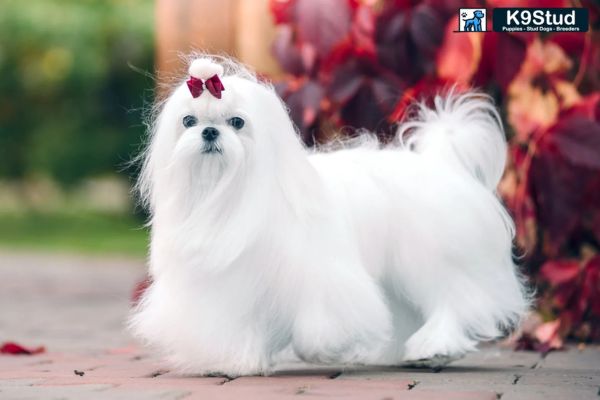
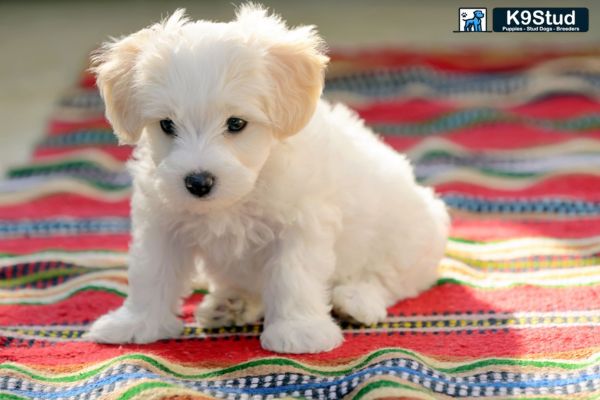
Physically the Maltese is a true toy, typically weighing under seven pounds and standing only seven to nine inches at the shoulder. Its most famous feature is the coat: a single layer of long, straight, pure-white hair with a glossy, silk-like texture that hangs to the floor when grown out. Because there is no woolly undercoat, the Maltese sheds very little and produces relatively little of the dander that triggers reactions, which is why the breed is so often tolerated by people with allergies. That same fine, single coat, however, mats quickly and offers little insulation, so this is emphatically an indoor dog that depends on its owner for both grooming and warmth.
In temperament the Maltese is gentle, affectionate, lively, and intensely people-oriented. It is playful and surprisingly bold for its size, happy to trot around the house with a toy one minute and curl into a lap the next. Bred for companionship, it forms strong attachments and does not enjoy being left alone for long stretches, which can lead to barking or separation anxiety if the dog is isolated. Its small size and quiet exercise needs make it an excellent fit for apartments and for older or less active owners, provided the human end of the bargain — company, gentle handling, and daily grooming — is honored.
Breed Characteristics
- Stamina Level: Low to moderate — a short walk and indoor play meet its needs
- Grooming: High; the long silky coat needs daily brushing and tear-stain care, or a short “puppy cut”
- Training Ease: Moderate — bright and eager, but house-training the tiny bladder takes patience
- Size: Toy (under 7 lbs; 7–9 inches at the shoulder)
- Temperament: Gentle, affectionate, lively, and deeply people-oriented
Care Requirements
The Maltese asks for little exercise but a great deal of grooming attention. A daily walk plus some indoor play is plenty of activity, but that beautiful single coat demands work: brush and comb thoroughly every day to prevent mats, or keep the dog in a low-maintenance short “puppy cut.” Wipe the face daily and keep the hair around the eyes trimmed to manage the reddish tear stains that show so plainly on white fur, and stay on top of nails, ears, and regular baths.
Because it is a tiny, crowded-mouthed breed, dental disease is one of the Maltese’s biggest health concerns, so brush its teeth and schedule veterinary cleanings. Watch too for luxating patellas (slipping kneecaps), tracheal collapse — always walk on a harness rather than a neck collar — portosystemic liver shunt, and low blood sugar (hypoglycemia) in very young puppies, which need frequent small meals. The Maltese is also physically fragile, so supervise carefully around young children and larger dogs to prevent accidental injury.