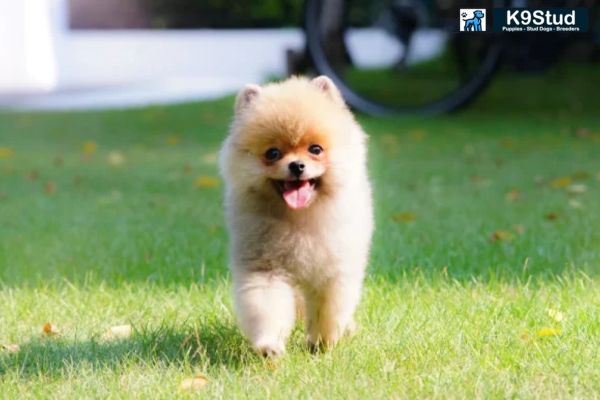
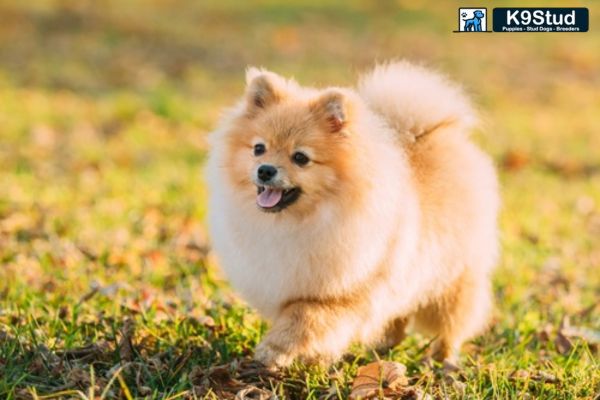
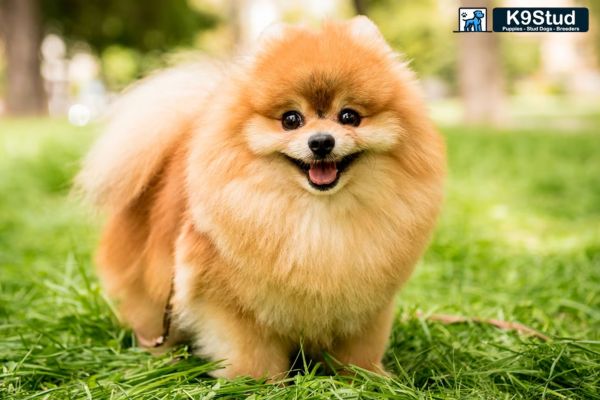
Pomeranian
A pint-sized ball of personality — bold, bright, and impossibly fluffy in a fox-faced little package.
About the Pomeranian
For such a tiny dog, the Pomeranian carries a surprisingly rugged pedigree. It is a Spitz-type breed — the same family as the Samoyed, Keeshond, and Norwegian Elkhound — and takes its name from Pomerania, the historic region straddling what is now northern Poland and northeastern Germany. The breed's ancestors were not the palm-sized pets we know today but large working Spitz dogs weighing 20 to 30 pounds, bred in the Arctic to pull sleds, herd, and guard. Over generations, breeders in Pomerania and beyond selected for progressively smaller dogs, gradually shrinking a hardy sled-dog into a devoted lap companion while keeping the plush double coat, curled tail, and alert, foxy expression of its northern forebears.
The Pomeranian owes much of its modern fame to Queen Victoria, who fell for the breed on a trip to Italy in 1888 and brought several home to England. She was especially taken with the smaller specimens, and because a monarch's tastes shape a nation's, her preference accelerated the drive to miniaturize the breed. During her lifetime the average Pom is said to have shrunk by roughly half, settling into the tiny toy dog recognized today. Her passion turned the Pomeranian into a status symbol among Victorian society, and the breed has enjoyed steady popularity as a companion ever since.
Today's Pomeranian typically weighs just 3 to 7 pounds, yet it behaves as though it has no idea how small it is. Bold, extroverted, and endlessly curious, the Pom is one of the liveliest of the toy breeds — quick to greet visitors, quick to sound the alarm, and quick to charm. It is also genuinely intelligent, ranking well in trainability for a toy dog and often excelling at tricks and small-dog agility. That big personality in a small body is precisely the appeal: a portable, affectionate companion with the confidence and spirit of a dog many times its size.
Breed Characteristics
- Stamina Level: Moderate — lively and playful, but content with short walks and indoor play
- Grooming: High; a profuse double coat that needs brushing several times a week
- Training Ease: Good — smart and eager, though housetraining takes patience
- Size: Toy (3–7 lbs; about 6–7 inches at the shoulder)
- Temperament: Bold, alert, extroverted, and affectionate
Care Requirements
The Pomeranian's crowning glory is its stand-off double coat, and it demands regular upkeep. Brush a few times a week — ideally most days — to work through the dense undercoat and prevent painful mats behind the ears, in the armpits, and around the rear. Expect a dramatic transition around 4 to 8 months of age known as the “puppy uglies,” when the soft puppy fluff falls out before the full adult coat grows in. Resist any urge to shave a Pom: clipping a double coat can permanently damage the texture and, in some dogs, the fur never fully regrows.
Because Poms are tiny and structurally delicate, small choices matter. Always walk your dog on a harness rather than a collar to protect its fragile windpipe, and stay on top of dental care, as crowded little mouths are prone to tartar and gum disease. Feed tiny puppies frequent meals to guard against hypoglycemia, and be mindful of their fragility around rough handling and jumps from furniture. A little daily exercise, consistent training, and early socialization keep this bright, sometimes vocal breed happy and well-mannered.