
Havanese
Cuba’s national dog — a small, silky-coated charmer that lives to be at your side.
About the Havanese
The Havanese is the national dog of Cuba and the island’s only native breed. It belongs to the Bichon family, descended from the small white companion dogs that Spanish settlers and traders carried to Cuba beginning in the 1500s. Isolated on the island for centuries, these little dogs developed into a distinct type prized by Havana’s wealthy families and named for the capital itself. When the Cuban Revolution sent many families into exile, a handful of dogs came with them to the United States, and nearly every Havanese alive today traces back to that small group of refugee dogs — a lineage carefully rebuilt by a few dedicated breeders in the 1970s.
What has kept the breed beloved for so long is its temperament. The Havanese is famously a “velcro dog”: cheerful, affectionate, and so devoted to its people that it wants to follow them from room to room. Bred for centuries purely as a companion, it has no hunting or guarding job in its history — its purpose is simply to be good company, and it excels at that. Sociable with strangers, gentle with children, and friendly toward other dogs and pets, the Havanese is an outgoing extrovert that adapts happily to apartment living precisely because what it craves most is human closeness rather than acres of space.
Do not mistake that sweetness for a lack of brains. The Havanese is highly intelligent and genuinely eager to please, which makes it one of the more trainable small breeds. Historically these dogs earned their keep as tiny circus and trick performers, and the aptitude shows: modern Havanese shine in obedience, agility, rally, and trick-dog competitions, and their steady, people-loving nature makes many of them excellent therapy dogs. For an owner willing to trade a bit of couch space for a shadow, few breeds return the affection quite so completely.
Breed Characteristics
- Stamina Level: Moderate — playful and lively indoors, but content with short daily walks
- Grooming: High for a full coat; the long silky hair needs regular brushing, or a low-maintenance puppy cut
- Training Ease: Excellent — bright, eager to please, and a natural at tricks and obedience
- Size: Small (7–13 lbs; 8.5–11.5 inches at the shoulder)
- Temperament: Cheerful, affectionate, sociable, and deeply people-oriented
Care Requirements
The Havanese is easy to keep active. A short daily walk plus some indoor play and a little training usually satisfies its exercise needs, which makes it a fine fit for apartments and smaller homes. Because it is so smart and so attached to its family, mental engagement matters as much as physical exercise — puzzle toys, trick sessions, and simply being included in daily life keep this breed happy. That same devotion has a flip side: Havanese are prone to separation anxiety and should not be left alone for long stretches.
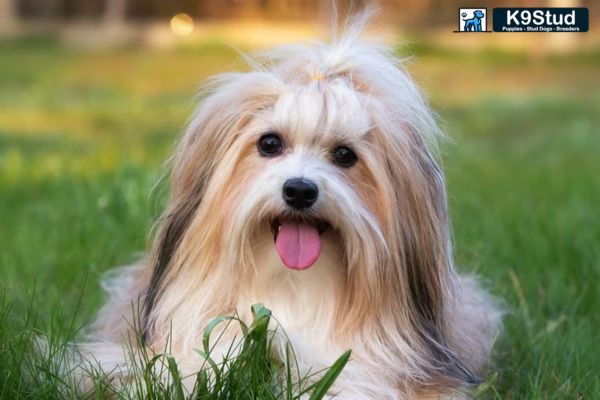
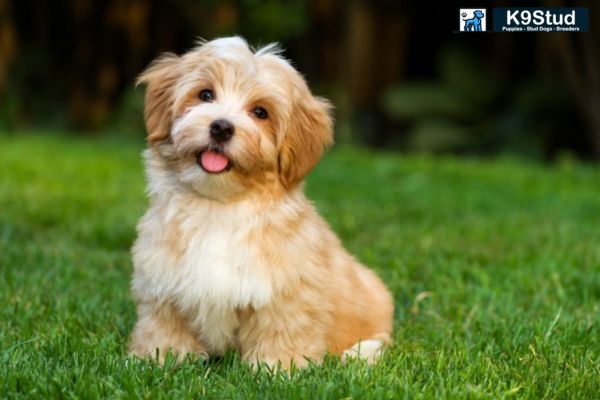
The signature coat is a long, silky, low-shedding double coat that many allergy sufferers tolerate well, though no dog is truly hypoallergenic. A full coat needs brushing several times a week to prevent mats, and can even be corded into rope-like locks; many owners simply keep it in a shorter “puppy cut” for easier upkeep. Buy from breeders who screen their stock, as the breed can carry luxating patella, eye disease such as cataracts and progressive retinal atrophy (PRA), Legg-Calve-Perthes disease, congenital deafness, and heart problems. Routine ear cleaning and dental care round out a Havanese’s needs.