German Shepherd
One of the world's most capable working dogs — brilliant, devoted, and endlessly versatile.
About the German Shepherd
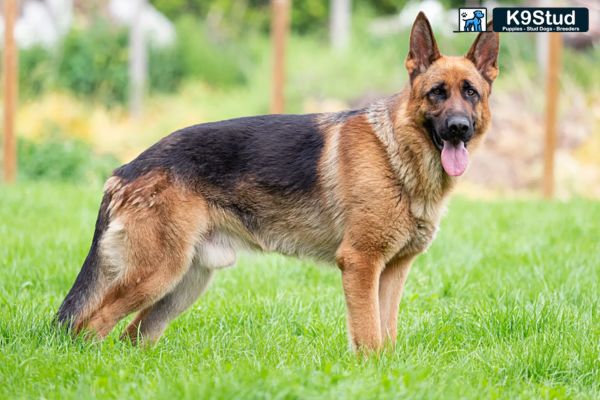
The German Shepherd traces back to 1899, when former cavalry officer Max von Stephanitz set out to build the ideal herding and working dog from Germany's regional sheepdogs. The dog he registered as the breed's foundation, Horand von Grafrath, prized working ability above appearance — a philosophy that still defines the breed. Within a few decades the German Shepherd had moved off the pasture and into police stations, battlefields, and search-and-rescue teams around the world, earning a reputation as the dog people call on when the job actually matters.
Ranked third for working intelligence in Stanley Coren's well-known study, German Shepherds learn new commands in remarkably few repetitions and retain them for life. That intelligence comes paired with a deep, almost single-minded bond to their handler: this is a breed that wants a job and a person to do it for. Well-raised German Shepherds are confident and even-tempered rather than nervous or sharp, aloof with strangers but steady when it counts. It is exactly this blend of brains, drive, and loyalty that makes them the default choice for K-9 units, guide-dog programs, and protection work.
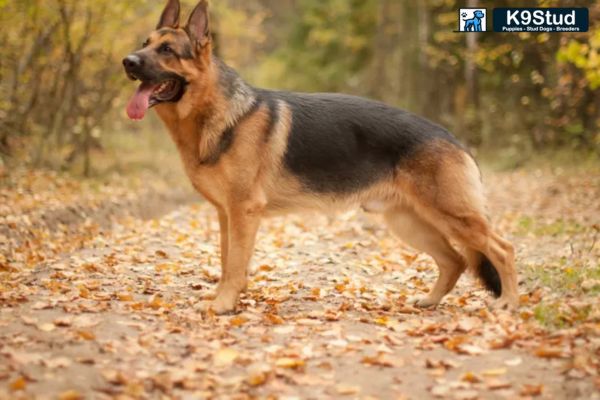
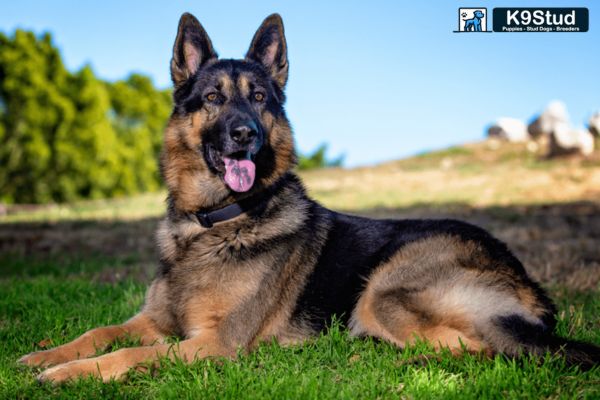
Prospective owners should understand that today's German Shepherds come in distinct lines. American and Canadian show lines tend toward a sloped topline and a mellower temperament; German show lines (the classic black-and-red dogs) are bred to a strict conformation and working standard; and working lines — often sable and built for the sport of Schutzhund/IGP — carry the highest drive and need the most job-like engagement. Choosing a line that matches your lifestyle matters far more with this breed than with most.
Breed Characteristics
- Stamina Level: Very high — a true working endurance breed
- Grooming: Moderate; a dense double coat that sheds year-round and “blows” heavily twice a year
- Training Ease: Exceptional — among the most trainable of all breeds
- Size: Large (50–90 lbs; 22–26 inches at the shoulder)
- Temperament: Loyal, confident, protective, and deeply people-oriented
Care Requirements
German Shepherds are athletes and thinkers, and they need both worked every day. Plan on at least an hour or two of real activity — long walks, fetch, hiking, or structured training — plus mental challenges like scent games, obedience drills, or a sport such as tracking or IGP. A bored, under-exercised Shepherd will invent its own job, usually a destructive one.
That famous double coat earns them the nickname “German shedder.” Brush two to three times weekly, and daily during the spring and fall coat blows, to keep shedding manageable and the undercoat healthy. Because the breed is prone to hip and elbow dysplasia, degenerative myelopathy, and bloat, buy only from breeders who provide OFA or PennHIP hip and elbow clearances, feed measured meals from a raised-risk-aware routine, and avoid hard exercise right after eating.