Pekingese
An ancient Chinese lion dog with the heart of a giant — regal, bold, and devoted to its chosen few.
About the Pekingese
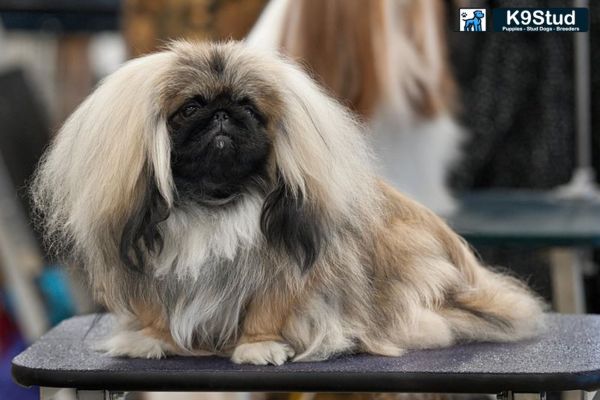
Few breeds carry as much history as the Pekingese. Bred more than a thousand years ago in ancient China, these little dogs were created as treasured companions for the imperial court, where their resemblance to the Buddhist guardian lion earned them the name “lion dog.” They were considered sacred, and for centuries ownership was the exclusive privilege of royalty. Emperors and their courtiers prized them so highly that the smallest examples, the so-called “sleeve dogs,” were carried inside the wide sleeves of imperial robes. Stealing one was said to be punishable by death, and the breed remained hidden from the wider world until British forces reached the Chinese palace in 1860 and brought a handful of the dogs back to the West.
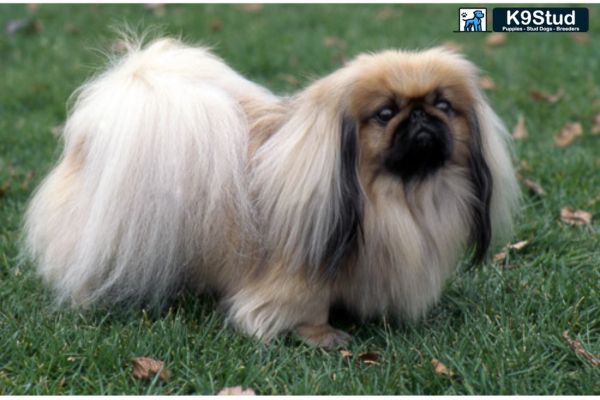
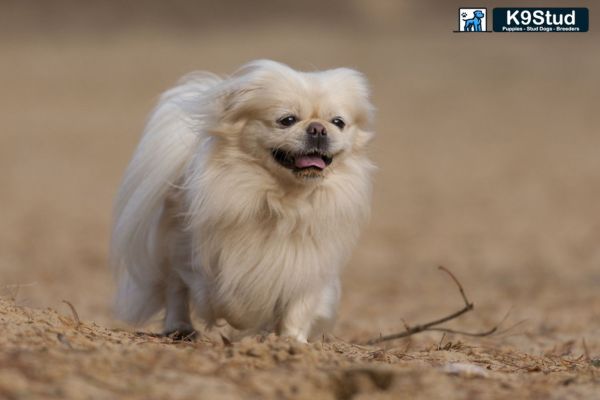
Physically the Pekingese is a small, stocky, and surprisingly heavy dog for its size, built low to the ground with a rolling, dignified gait that the breed standard describes as unhurried and self-important. Yet what defines a Peke is not its body but its outsized personality. This is a big dog in a tiny package: bold, confident, and utterly certain of its own importance. Bred to be a companion rather than a servant, the Pekingese is independent and famously stubborn, more inclined to consider a request than to obey it. It is a breed that expects to be respected, not commanded.
With its own people the Pekingese is deeply loyal and affectionate, often forming an intense bond with one or two favorite humans and happily spending the day at their side. With strangers it tends to be reserved, dignified, and frankly aloof, offering courtesy at best rather than friendliness. That combination of devotion and reserve, paired with genuine courage, is exactly what made the Peke a beloved palace companion and watchful little sentinel for centuries. Owners should expect a dog with opinions, charm, and a will of its own.
Breed Characteristics
- Stamina Level: Low — a companion breed content with modest activity
- Grooming: High; the long double coat and lion-like mane need daily brushing to prevent mats
- Training Ease: Challenging — intelligent but independent and stubborn
- Size: Small toy breed (up to 14 lbs; 6–9 inches at the shoulder)
- Temperament: Loyal, bold, dignified, and aloof with strangers
Care Requirements
That glorious coat is a daily commitment. The Pekingese wears a long, profuse double coat crowned by a thick mane around the shoulders, and without daily brushing it mats quickly, especially behind the ears, under the legs, and around the trousers. Beyond the coat, the breed needs careful attention to its facial skin folds, which must be kept clean and dry to prevent infection, along with regular dental care because the crowded jaw is prone to overcrowded, misaligned teeth.
The Pekingese is a brachycephalic, or flat-faced, breed, and this shapes nearly every aspect of its care. The short muzzle means labored breathing and serious heat intolerance, so exercise must stay modest and be avoided in warm or humid weather; a Peke can overheat dangerously fast. The prominent, large eyes are easily injured and prone to painful ulcers, so guard against scratches and see a vet promptly for any squinting. Watch as well for back problems and luxating patellas (slipping kneecaps), keep your dog lean, and buy only from breeders who prioritize open nostrils and healthier structure.