
Weimaraner
The elegant silver-gray gundog known as the “Grey Ghost” — athletic, affectionate, and endlessly devoted to its people.
About the Weimaraner
The Weimaraner was born in the courts of 19th-century German nobility, most closely tied to the sporting aristocracy around the city of Weimar. The grand dukes and their huntsmen wanted a single dog that could do everything: trail and hold big game such as boar, bear, and deer, then, as those animals grew scarce, shift smoothly to pointing and retrieving birds and small quarry. The result was a versatile, all-purpose pointer-retriever with tireless legs and a fine nose — a hunter's dog first, and a status symbol second. For decades the breeding stock was closely guarded by an exclusive German club, which is part of why the breed arrived in the United States relatively late, in the late 1920s and 1930s.
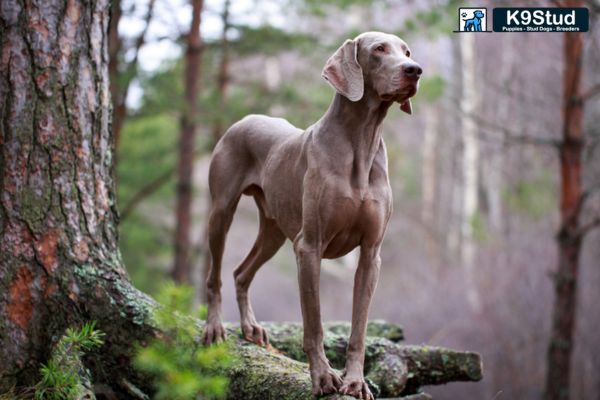
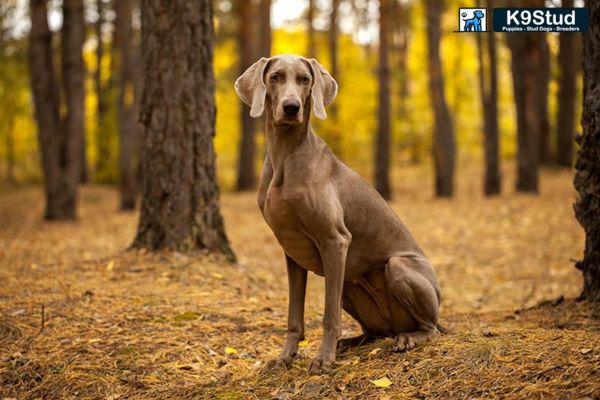
What everyone notices first is the coat. That short, sleek pelt comes in shimmering shades of silver, mouse-gray, and taupe that can seem to melt into shadow — the reason the breed earned its enduring nickname, the “Grey Ghost.” The effect is completed by striking eyes of amber, gray, or blue-gray, which give the Weimaraner an almost otherworldly, soulful gaze. Beneath the glamour is a genuine athlete: a deep-chested, muscular dog built for a long day afield, moving with an effortless, ground-covering trot. Males typically stand 25 to 27 inches at the shoulder and females 23 to 25 inches, with most dogs weighing between 55 and 90 pounds.
Temperament is where prospective owners must pay attention. Weimaraners are famously a “velcro” breed — they attach themselves to their humans with an intensity that is flattering and, at times, overwhelming. This is emphatically not a dog to be banished to a kennel or backyard; a Weimaraner left isolated will very often develop serious separation anxiety, barking, howling, and destructive chewing. In the right home, though, they are clever, endlessly enthusiastic, and comically expressive companions who want to be involved in absolutely everything. They are highly intelligent and quick to learn, but that same brainpower, paired with their high energy, means a bored Weimaraner becomes a mischievous one.
Breed Characteristics
- Stamina Level: Very high — a hard-driving hunting breed built to work all day
- Grooming: Low; the short, smooth coat needs only occasional brushing and sheds modestly
- Training Ease: High — bright and eager, though the drive and stubborn streak reward consistency
- Size: Large (55–90 lbs; 23–27 inches at the shoulder)
- Temperament: Devoted, energetic, alert, and intensely people-oriented
Care Requirements
Exercise is not optional with a Weimaraner — it is the foundation of a happy, well-behaved dog. Plan on at least one to two hours of vigorous activity every day: running, hiking, swimming, fetch, or field work, ideally combined with a real job for its mind such as tracking, dock diving, agility, or advanced obedience. Simply owning a big yard will never be enough; this breed needs a partner who will actively work off its energy. A Weimaraner that gets enough exercise is calm and biddable indoors, while one that does not will climb walls, quite literally.
The short coat is a real convenience — a quick weekly rub with a rubber mitt or soft brush keeps it gleaming, and baths are needed only occasionally. Health-wise, the breed's deep chest makes it vulnerable to bloat and gastric torsion (GDV), a life-threatening emergency; feed measured meals, use a slow-feeder, and avoid hard exercise right after eating. Buy only from breeders who screen for hip dysplasia and test for von Willebrand's disease, a bleeding disorder found in the breed, so you start with the healthiest possible puppy.