German Shorthaired Pointer
A tireless, do-it-all German gundog — athletic, whip-smart, and devoted to the family it hunts and lives with.
About the German Shorthaired Pointer
The German Shorthaired Pointer — the GSP — was developed in Germany through the 1800s by hunters who wanted a single dog that could do everything. Breeders crossed older Spanish and German pointing dogs with scent hounds and, later, English Pointer blood, aiming for a versatile gundog that would point upland birds, track wounded game, and retrieve from land and water alike. The result was a true all-rounder: a dog that could work a field of quail in the morning and swim out for a downed duck in the afternoon, all in one lean, hard-driving package.
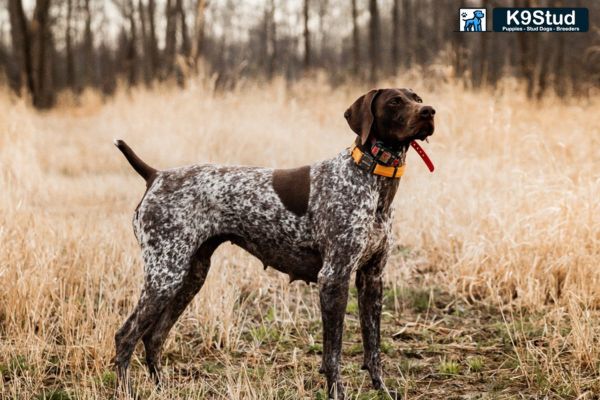
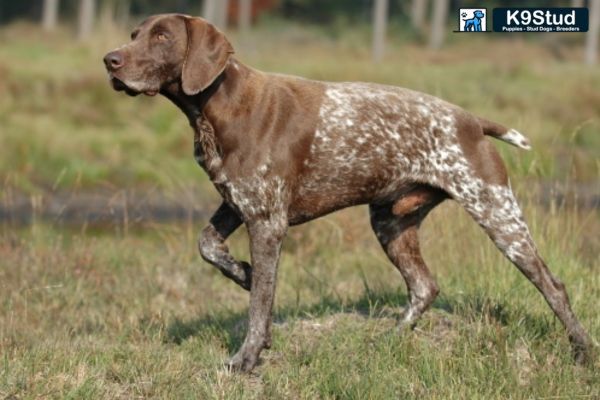
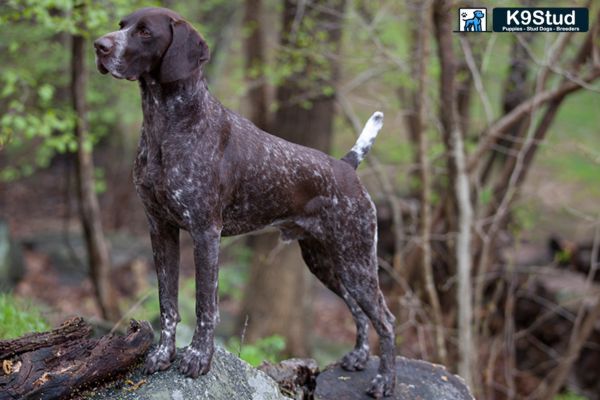
That heritage shows in every GSP alive today. They are athletic, intelligent, and intensely eager to please, which makes them quick studies for hunters and active pet owners alike. Most are liver-colored or liver and white in a distinctive ticked or roan pattern, built on a muscular, streamlined frame made for covering ground at speed. Off the field they are famously affectionate — a classic “velcro” breed that wants to be pressed against a leg, following you room to room, rather than left on its own. A GSP that is included in family life is a wonderful companion.
Prospective owners should be honest with themselves about one thing above all: this is an extremely high-energy breed. The GSP was engineered to hunt hard all day, and that engine does not switch off in a suburban home. Without a real outlet, that drive turns inward. A bored, under-exercised German Shorthaired Pointer commonly becomes anxious, vocal, and destructive, chewing, digging, and pacing its way through frustration. Given enough exercise and companionship, though, the same dog is calm, biddable, and endlessly fun to live with.
Breed Characteristics
- Stamina Level: Very high — a genuine all-day hunting athlete
- Grooming: Low; a short, dense coat that needs only weekly brushing but offers little cold protection
- Training Ease: High — smart and eager to please, though the energy demands consistency
- Size: Medium to large (45–70 lbs; 21–25 inches at the shoulder)
- Temperament: Affectionate, energetic, people-oriented, and biddable
Care Requirements
Exercise is not optional with a GSP — it is the whole game. Plan on well over an hour of vigorous daily activity: running, swimming, long fetch sessions, hiking, biking alongside, or actual field work. Pair that physical outlet with mental work such as scent games, obedience, or a dog sport, because a tired body and a busy mind are what keep this breed settled indoors. A GSP left in a yard or kennel to burn energy alone will not thrive; it wants to be with its people.
The short coat is refreshingly low-maintenance — a weekly brush and the occasional bath keep it clean — but it gives little insulation, so a GSP needs a coat in hard cold and should not live outdoors in winter. Because the breed carries several inherited health risks, buy only from breeders who screen for hip dysplasia (OFA/PennHIP), eye and ear conditions, and von Willebrand’s disease, and who are open about cancer history in their lines. As a deep-chested dog, the GSP is also prone to bloat (gastric torsion): feed measured meals and avoid hard exercise right after eating.