Vizsla
Hungary's golden-rust gundog — sleek, tireless, and famously devoted to being at your side.
About the Vizsla
The Vizsla is one of Europe's oldest and most elegant sporting breeds, developed over centuries on the open plains of Hungary. Ancestors of the modern dog rode and hunted alongside the Magyar tribes who settled the Carpathian Basin, and by the Middle Ages the breed had become the treasured companion of Hungarian nobles and falconers, prized for its ability to work closely with both hawk and hunter. That aristocratic history left its mark: the Vizsla was bred as an all-purpose gundog that could point upland birds and retrieve them from land or water, all while staying calm and biddable in the manor as well as the field.
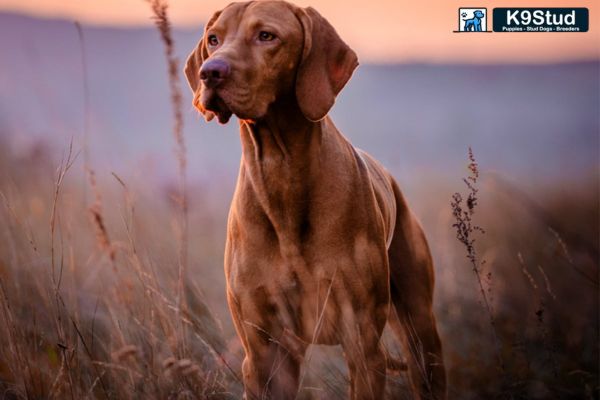
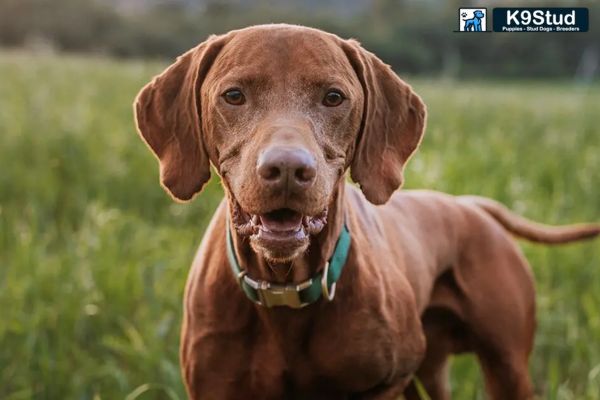
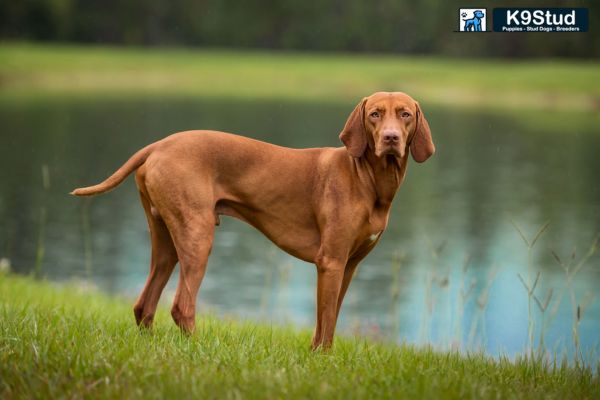
A true pointer-retriever, the Vizsla is built for endurance rather than bulk. The short, dense coat is a distinctive solid golden-rust that even extends to the nose, eye rims, and nails, giving the dog a warm, self-colored look found in few other breeds. Beneath that sleek exterior is a lean, muscular athlete with a light-footed, ground-covering gait. The breed nearly vanished after the upheavals of the two World Wars, surviving thanks to a small number of dedicated Hungarian breeders who smuggled dogs out of the country, and it has since become a beloved companion and competitive hunting dog across the world.
What sets the Vizsla apart from many other gundogs is its intense emotional attachment to people. Affectionate, sensitive, and highly social, it has earned the nickname “Velcro Vizsla” for its habit of pressing close, leaning in, and following its owner from room to room. This is a dog that genuinely needs to be part of the family — not a kennel dog and not one to be left alone for long stretches. Given companionship, exercise, and gentle guidance, the Vizsla is a joyful, biddable, and endlessly enthusiastic partner.
Breed Characteristics
- Stamina Level: Very high — a tireless field athlete bred to hunt all day
- Grooming: Very low; a short single coat with no undercoat, minimal shedding, and no doggy odor
- Training Ease: Excellent — smart and eager to please, but sensitive to harsh handling
- Size: Medium (44–60 lbs; 21–24 inches at the shoulder)
- Temperament: Affectionate, energetic, sensitive, and intensely people-oriented
Care Requirements
Exercise is not optional with a Vizsla — it is the whole point of the breed. Plan on at least one to two hours of vigorous activity every day: running, hiking, swimming, fetch, or field work, ideally combined with training games or a canine sport such as agility, obedience, or hunt tests. Just as important is companionship. The Vizsla forms an unusually deep bond with its household and is genuinely prone to serious separation anxiety, so it should never be left alone for long or kept outdoors. A tired, included Vizsla is a wonderful housemate; a lonely, under-exercised one becomes anxious and destructive.
The upside is a dog that is remarkably easy to keep clean. The short, sleek coat has no undercoat, sheds only lightly, and needs little more than an occasional rub with a grooming mitt and the usual nail, ear, and dental care. Because there is no insulating layer, however, the Vizsla feels the cold and should wear a coat in winter and always sleep indoors. The breed is generally healthy and long-lived, but responsible owners should buy from breeders who screen for hip dysplasia and eye conditions and who track family history for epilepsy, hypothyroidism, and certain cancers.