Bichon Frise
A small, sparkling white companion — playful, affectionate, and forever ready to charm.
About the Bichon Frise
The Bichon Frise belongs to an ancient family of small white lapdogs whose roots reach back to the Mediterranean, and its story is often traced to the island of Tenerife in the Canaries — earning it the early name “Bichon Tenerife.” Sailors and traders are thought to have carried these engaging little dogs across the sea, where they quickly won a place in the courts of Renaissance Europe. By the 1500s the breed was a fixture of Spanish and French nobility, and it appears in the paintings of masters such as Goya, a lasting record of just how prized these fluffy companions once were.
Court fashions change, and by the 19th century the Bichon had tumbled from royal laps to the streets, where its cleverness and irresistible personality found it new work as an organ-grinder's sidekick and a nimble circus and fairground performer. That crowd-pleasing history still shows in the modern dog: Bichons are natural entertainers, quick to learn tricks and eager for an audience. French breeders formally standardized the breed in the 1930s, and it was there that the name “Bichon Frise” — roughly “curly lapdog” — was settled upon.
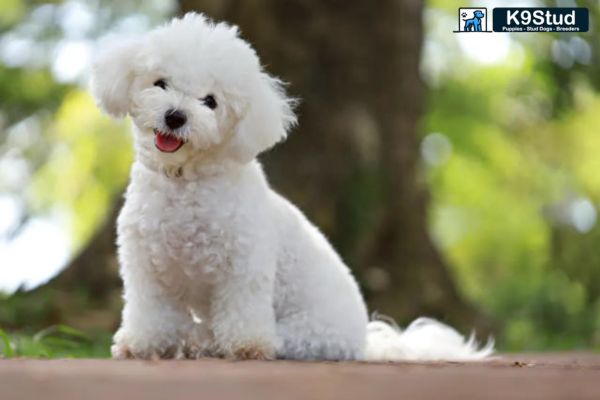
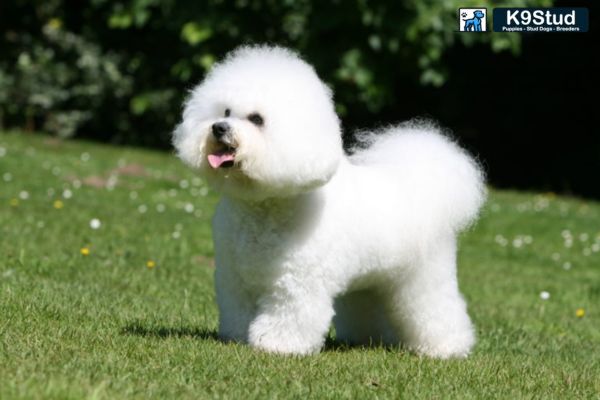
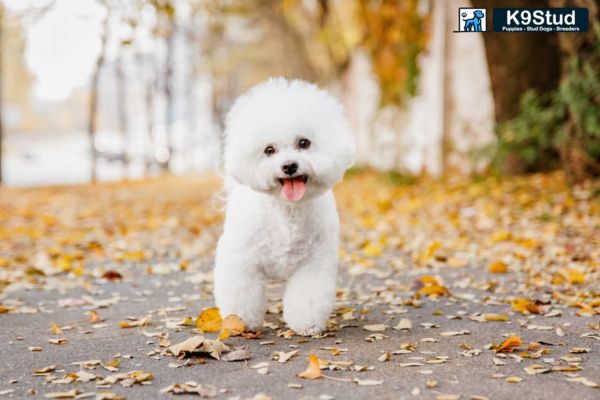
Today the Bichon Frise is cherished purely as a companion, and few breeds do the job so happily. Standing about a foot tall and weighing in the low teens, it is small enough for a city flat yet sturdy and bouncy enough to romp with children. Its trademark is a cloud of white, curly hair groomed into a rounded “powder-puff” silhouette, framing dark, expressive eyes and the merry, inquisitive expression the breed is famous for. Cheerful, gentle, and endlessly sociable, the Bichon asks little more than to be near the people it loves.
Breed Characteristics
- Stamina Level: Moderate — playful bursts of energy, satisfied by short walks and games
- Grooming: High — a curly double coat needing daily brushing and professional trims every 4–6 weeks
- Training Ease: Good — bright and eager to please, though housetraining can take patience
- Size: Small (12–18 lbs; 9.5–11.5 inches at the shoulder)
- Temperament: Cheerful, affectionate, gentle, and adaptable — a true people-dog
Care Requirements
That famous powder-puff coat is the Bichon's biggest commitment. It is a low-shedding double coat that many allergy sufferers tolerate well, but low shedding means loose hair stays in the coat and mats quickly. Brush thoroughly every day right down to the skin, and book a professional groomer every four to six weeks for bathing and scissoring. Wipe the face daily and keep the eye area clean to control the reddish-brown tear staining that shows so clearly on white fur, and don't neglect the teeth — small breeds are prone to dental disease.
Beyond the coat, the Bichon is a genuinely easy keeper: a couple of short walks and some indoor play cover its exercise needs, making it well suited to apartment life. What it cannot handle well is solitude. Bichons form intense attachments and are prone to separation anxiety, which can surface as barking or destructiveness when they are left alone too long. Buy from breeders who screen for luxating patella, eye conditions such as cataracts, skin allergies (atopy), and a tendency toward bladder stones and infections.