Shiba Inu
Japan's smallest ancient dog — bold, fox-like, and famously independent with an almost cat-like spirit.
About the Shiba Inu
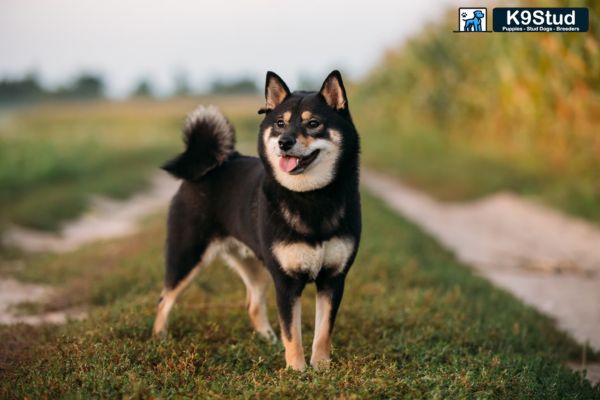
The Shiba Inu is an ancient Spitz-type breed from the mountainous regions of Japan, where it was developed centuries ago to flush birds and small game such as rabbit through dense underbrush and rugged terrain. It is the smallest and oldest of Japan's six native breeds, and DNA studies place it among the most primitive dogs still living — genetically close to the ancestral wolf. The breed nearly vanished after World War II, surviving through a handful of regional bloodlines that were carefully rebuilt into the compact, alert dog recognized around the world today.
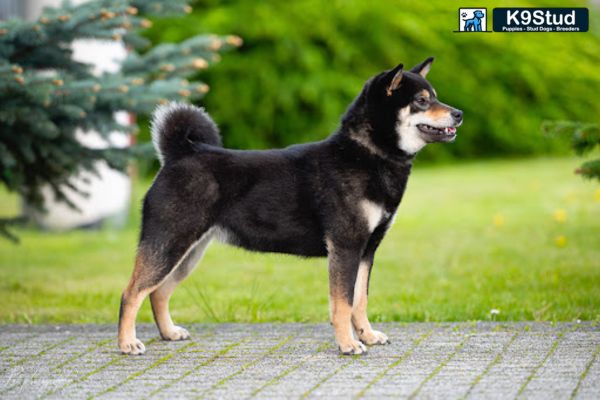
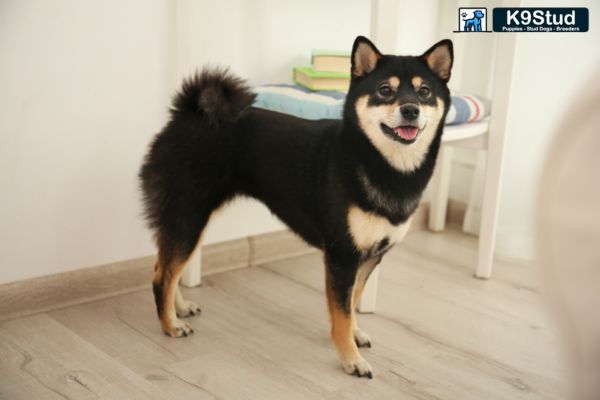
Physically the Shiba is unmistakable: a small, sturdy, well-muscled dog with a fox-like face, pricked triangular ears, a curled tail carried over the back, and a confident, springy gait the Japanese describe as “spirited boldness.” But it is the temperament that defines the breed. Shibas are self-possessed, independent, and almost cat-like — they groom themselves fastidiously, are naturally clean and easy to house-train, and are often aloof or reserved with strangers while remaining deeply loyal to their own family. They form strong bonds, yet they do things on their own terms rather than to please a handler.
That independence has a soundtrack. Shibas are famous for the dramatic “Shiba scream” — a piercing, high-pitched shriek they let loose when unhappy, restrained, or occasionally overjoyed, often at the vet or during a nail trim. It sounds far more alarming than the situation warrants and is a normal part of owning the breed. Combined with their strong opinions and watchful nature, the scream is a good reminder that a Shiba is a spirited character first and a compliant companion second.
Breed Characteristics
- Stamina Level: High — an agile, athletic hunter that enjoys daily activity
- Grooming: Moderate; a thick double coat that sheds year-round and “blows” heavily twice a year
- Training Ease: Challenging — intelligent but strongly independent and not eager to please
- Size: Small (17–23 lbs; 13–17 inches at the shoulder)
- Temperament: Bold, confident, alert, aloof with strangers, and loyal to family
Care Requirements
Shibas are active, agile dogs that need a good daily walk or two plus space to trot, sniff, and explore, but their care is defined more by management than by mileage. The breed carries a powerful prey drive and a real instinct to bolt, roam, and chase — so secure, tall fencing and a leash whenever off your property are non-negotiable. Reliable off-leash recall is notoriously difficult with a Shiba, because an independent dog that would rather investigate a squirrel is not going to come running just because you called. Early, patient, reward-based socialization and training give the best results.
That plush double coat keeps the Shiba naturally tidy, but it sheds moderately all year and blows out heavily twice a year, when daily brushing and a slicker or undercoat rake keep the fur under control. The breed is generally healthy and long-lived, often reaching 13 to 16 years, yet responsible owners still watch for patellar luxation, hip dysplasia, eye conditions such as glaucoma and cataracts, and skin allergies. Buy from breeders who provide knee, hip, and eye clearances, and keep your Shiba lean and well-exercised.