Chow Chow
An ancient, lion-maned guardian from China — dignified, aloof, and unmistakably its own dog.
About the Chow Chow
The Chow Chow is one of the oldest and most distinctive breeds on earth, with roots in China that reach back more than 2,000 years. Bas-reliefs from the Han dynasty depict a heavy, wide-skulled dog much like the modern Chow, and for centuries the breed served as an all-purpose working dog across northern China — guarding temples and homes, hunting game for the nobility, pulling sleds and carts, and even herding livestock. Its very name is thought to come from pidgin-English cargo manifests, a reminder of how these dogs first reached the West aboard 18th- and 19th-century trading ships.
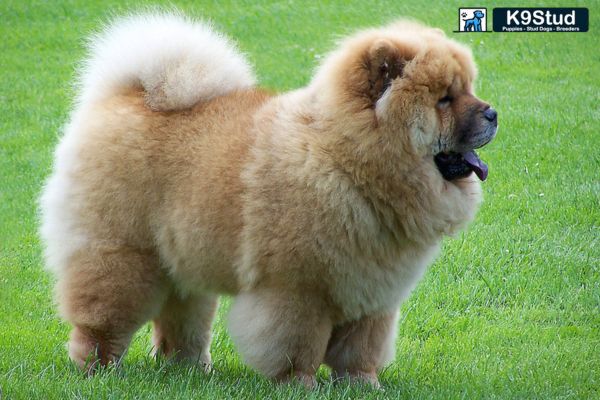
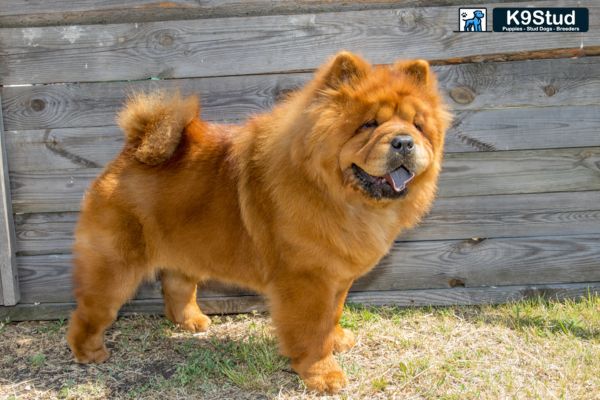
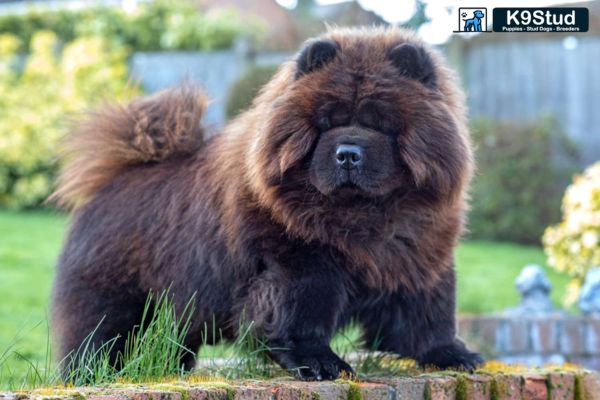
No other breed looks or moves quite like a Chow. A dense, lion-like ruff frames the head, giving the dog its famously scowling, leonine expression, and beneath it sits one of the breed's true signatures: a blue-black tongue, a trait shared with almost no other dog. The Chow's hind legs are notably straight in the hock, and that near-vertical rear produces the breed's short, stilted, stiff-legged gait — a stride so particular that judges look for it in the show ring. Add the deep-set eyes, upright ears, and curled tail carried over the back, and the result is a dog that reads as ancient, powerful, and self-possessed.
Temperament is where the Chow surprises newcomers. This is a dignified, aloof, and fiercely independent dog often described as cat-like: clean, quiet, undemanding, and inclined to decide for itself whether a request is worth honoring. A Chow bonds deeply with its own family but is naturally reserved and territorial with strangers, and that guarding instinct is exactly why committed, patient socialization from puppyhood is non-negotiable. Chows are not eager-to-please people-pleasers and are rarely the cuddly lap dog first-time owners imagine. Respected and understood, however, they are loyal, discerning companions of real presence.
Breed Characteristics
- Stamina Level: Moderate — content with steady daily walks rather than endurance work, and easily overheated
- Grooming: High; a profuse double coat (rough or smooth) that sheds heavily and needs frequent, thorough brushing
- Training Ease: Challenging — intelligent but independent and stubborn, not a beginner’s dog
- Size: Medium (45–70 lbs; 17–20 inches at the shoulder)
- Temperament: Dignified, aloof, loyal to family, and reserved with strangers
Care Requirements
The Chow's crowning glory is also its biggest chore. Whether your dog carries the more common rough coat or the shorter smooth coat, it wears a dense double coat that sheds heavily year-round and blows out in dramatic seasonal molts. Brush thoroughly two to three times a week — and daily during a coat blow — working right down to the skin around the ruff, breeching, and tail to prevent painful mats. Just as important, the Chow is quite heat-sensitive: that heavy coat and shortened muzzle make hot, humid weather genuinely dangerous, so exercise in the cool of the day and always provide shade and water.
Because the breed is independent rather than eager to please, keep training short, fair, and consistent, and start socializing early and often. On health, buy only from breeders who screen their stock: the Chow is prone to hip and elbow dysplasia, patellar luxation, and thyroid disease, and it is especially known for entropion — an inward-rolling eyelid defect common in the breed that irritates the eye and frequently requires corrective surgery. Ask to see hip, elbow, eye, and thyroid clearances before you commit.