Pembroke Welsh Corgi
A big dog on short legs — bold, clever, affectionate, and every bit a working herder at heart.
About the Pembroke Welsh Corgi
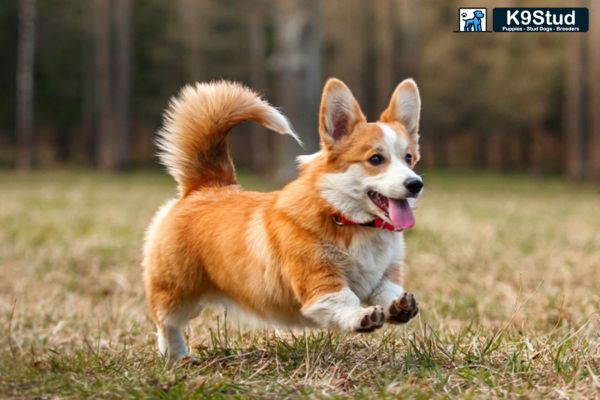
The Pembroke Welsh Corgi comes from Pembrokeshire in southwest Wales, where farmers relied on these low-slung dogs to move cattle across open pasture. Rather than driving from the front like a tall herder, the Corgi worked from behind, darting in to nip at the heels of stubborn livestock and then dropping low to duck any kick that followed. That crouched, ground-hugging build was the whole point: a dog fast and brave enough to control animals many times its size, yet close enough to the earth to stay out of harm's way. Centuries of that job produced the compact, purposeful dog we know today.
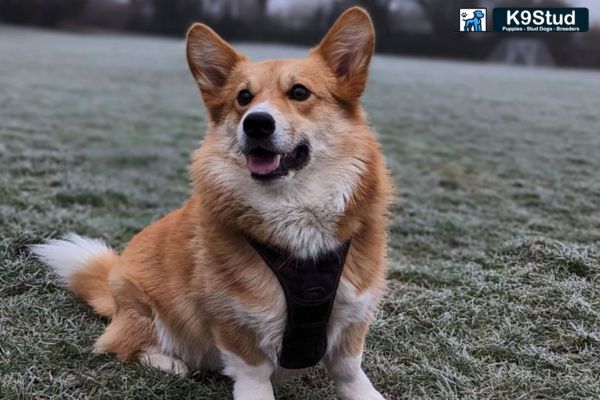
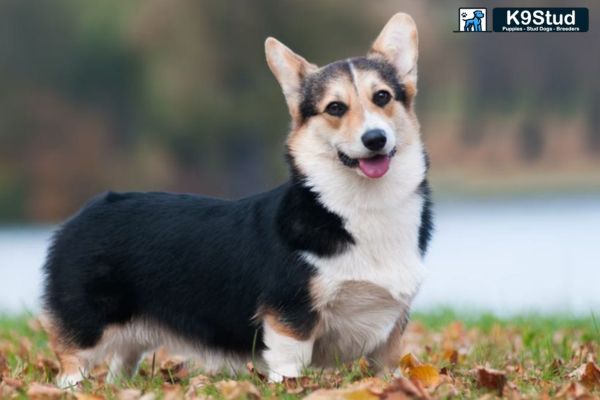
In the modern era the breed became inseparable from the British royal family. Queen Elizabeth II fell in love with Corgis as a child and kept them throughout her long reign, owning dozens over the decades and making the Pembroke one of the most recognizable dogs in the world. It is worth knowing that the Pembroke is a distinct breed from the Cardigan Welsh Corgi: the Pembroke is the smaller, lighter-boned of the two, typically carrying a natural bob or a docked tail, whereas the Cardigan is heavier and always keeps its long, full tail. The two share a look but were developed as separate breeds.
Personality is where the Pembroke really wins people over. This is a bold, whip-smart, deeply affectionate dog with a huge personality packed into a small frame, and despite the short legs it is genuinely athletic and quick. Those same herding instincts that made it valuable on the farm are still very much alive, though, and an untrained Corgi may try to herd children, other pets, or even guests by circling and nipping at heels. They are also alert and vocal by nature, so without direction that watchdog barking can get out of hand. Early training and socialization channel all that drive into a confident, well-mannered companion.
Breed Characteristics
- Stamina Level: High — a working herder with more endurance than the short legs suggest
- Grooming: Moderate; a weather-resistant double coat that sheds year-round and “blows” heavily with the seasons
- Training Ease: Excellent — highly intelligent and eager, though independent enough to need consistency
- Size: Small (24–30 lbs; about 10–12 inches at the shoulder)
- Temperament: Bold, smart, affectionate, alert, and full of personality
Care Requirements
Do not let the stubby legs fool you — a Pembroke needs real daily exercise. Aim for a good walk or two plus some active play, fetch, or a spot of herding or trick training to work the mind as well as the body. Corgis are prone to obesity, and extra weight is dangerous on this frame, so keep your dog lean, measure meals, and go easy on treats. To protect that long back, discourage repeated jumping on and off furniture or up and down stairs, which strains the spine.
The double coat sheds constantly and blows out in big seasonal drifts, so brush a few times a week and daily during the heavy sheds to stay ahead of the fur. On the health front the breed's biggest concerns tie back to that build: intervertebral disc disease (IVDD) and other back problems, plus degenerative myelopathy, a progressive spinal-cord disease that is DNA-testable. Hip dysplasia and several eye conditions also appear in the breed, so buy from breeders who screen hips, eyes, and DM status.