Border Collie
The most intelligent dog breed on earth — a tireless herding genius that lives to work.
About the Border Collie
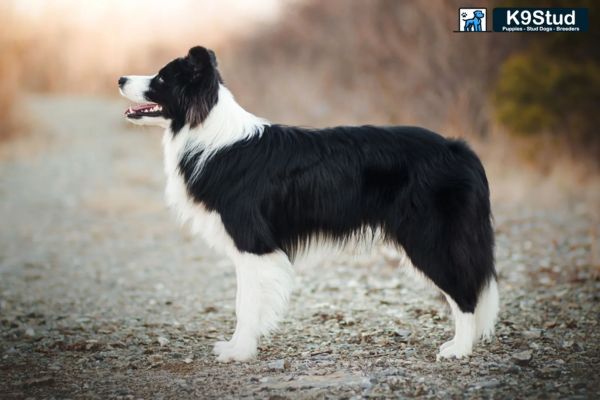
The Border Collie takes its name from the rugged, hilly border country between Scotland, England, and Wales, where shepherds spent centuries refining a sheepdog that could read a flock and think for itself across wide, difficult ground. The breed's defining trait is its working style: rather than barking and driving stock, a Border Collie controls sheep with an intense, low crouch and a hypnotic, unblinking gaze that stockmen call “the eye.” A single dog working in near silence can move hundreds of ewes with the smallest shift of position, a skill that still wins sheepdog trials across the world today.
Border Collies are universally regarded as the most intelligent of all dog breeds, ranked number one for working intelligence in Stanley Coren's landmark study. They learn commands in only a handful of repetitions, solve problems on their own, and famously can memorize the names of hundreds of individual objects. But that brilliance is a responsibility, not a party trick. This is a genuine workaholic bred to run and think all day, and a Border Collie that is treated as an ordinary house pet will not simply relax on the sofa — it will look for a job whether or not you have given it one.
Without enough to do, that keen mind turns inward. Under-stimulated Border Collies commonly become anxious, obsessive, and destructive, developing habits such as spinning, shadow-chasing, fence-running, or fixating on lights and reflections. Their strong herding instinct can also show up in the home as nipping at heels and chasing cars, bikes, joggers, and children. None of this reflects a bad dog; it is the sound of a working brain with nowhere to put its energy. For this reason the Border Collie is not a casual pet, and it thrives best with an owner who genuinely wants an active, engaged partner.
Breed Characteristics
- Stamina Level: Extremely high — one of the most tireless breeds alive
- Grooming: Moderate; a weather-resistant double coat that sheds and needs regular brushing
- Training Ease: Outstanding — the most trainable and quickest-learning breed of all
- Size: Medium (30–55 lbs; 18–22 inches at the shoulder)
- Temperament: Brilliant, driven, sensitive, and intensely focused on its work and person
Care Requirements
A Border Collie needs enormous daily physical exercise and real mental work — and ideally a job. Long runs and fetch alone are not enough; a dog this smart needs its brain engaged through activities like herding, agility, flyball, obedience, scent work, or trick training. Plan on a couple of hours of hard activity plus structured problem-solving every single day. Meet those needs and you get a calm, biddable, deeply devoted companion. Skip them and you get the anxiety and destruction the breed is infamous for.
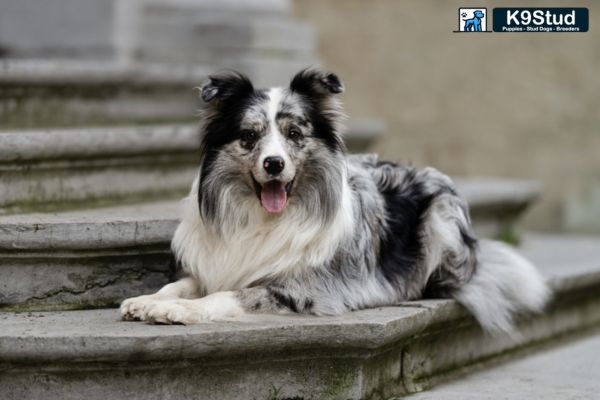
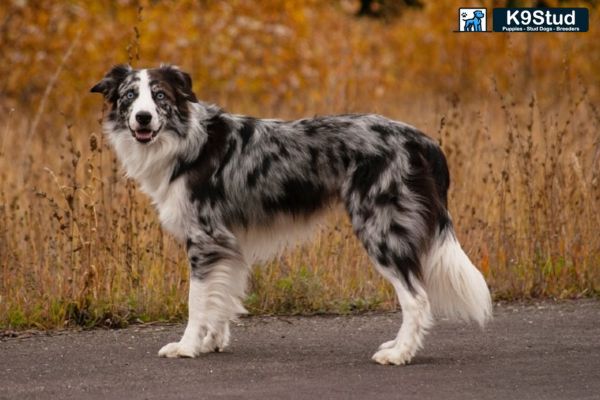
The coat comes in two varieties — a longer rough coat and a shorter smooth coat — both weather-resistant doubles that appear in many colors and patterns, from classic black-and-white to red, merle, and tricolor. Both types shed and need brushing once or twice a week, more during seasonal coat blows. Buy only from breeders who health-screen their stock: the breed carries risks of hip dysplasia, inherited eye disease (Collie eye anomaly and progressive retinal atrophy), and epilepsy, plus the MDR1 drug-sensitivity gene and DNA-testable disorders such as trapped neutrophil syndrome (TNS) and neuronal ceroid lipofuscinosis (CL).