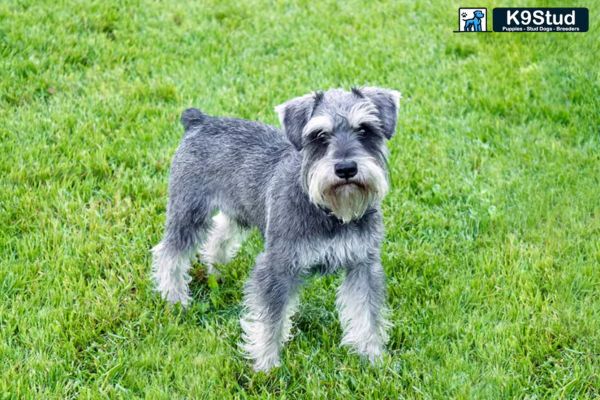
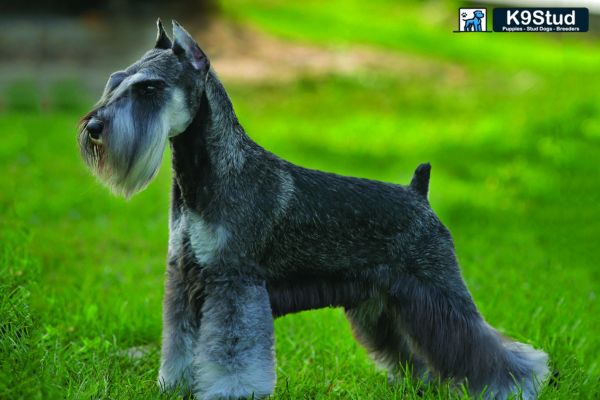
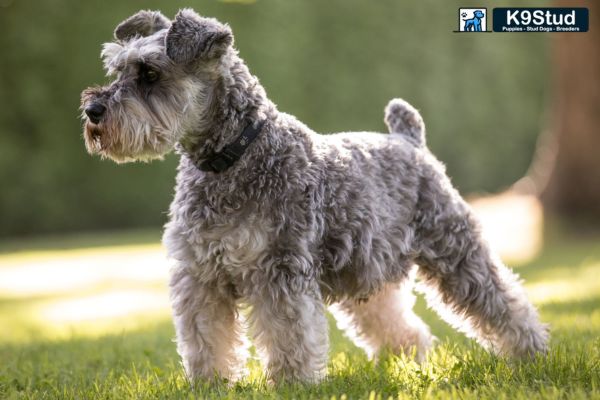
Miniature Schnauzer
A bold, bearded little farm dog — smart, sturdy, and endlessly devoted to its family.
About the Miniature Schnauzer
The Miniature Schnauzer was developed in Germany in the late 1800s as a scaled-down, all-purpose farm dog. Breeders took the larger Standard Schnauzer and crossed in smaller companions — the Affenpinscher is the most often cited, along with breeds such as the Miniature Pinscher and Poodle — to fix a compact ratter that could clear vermin from barns and grain stores while still raising the alarm at the farmhouse door. The result was a hardy, wiry-coated little dog with all the nerve of its bigger cousin packed into a portable frame. As the smallest of the three schnauzer breeds — below the Standard and the imposing Giant — the Miniature quickly became the most popular of the trio and remains one of the most recognizable small breeds in the world.
In temperament the Miniature Schnauzer is spirited, bright, and forever on duty. It is an alert and vocal watchdog that misses very little, yet it is also friendly and outgoing rather than timid or snappy, which is what makes it such a rewarding family companion. These are clever, eager-to-please dogs that pick up training readily when the sessions are kept short, positive, and interesting; the same intelligence, left unchallenged, can turn into stubbornness or nuisance barking. A well-raised Mini is affectionate and playful indoors and confident and curious out in the world, happy to trot alongside its people wherever they go.
Physically the breed is squarely built and robust for its size, typically standing 12 to 14 inches at the shoulder and weighing between roughly 11 and 20 pounds. The signature look comes from the harsh, wiry double coat with its trademark bushy eyebrows and long beard, which give the face an unmistakably expressive, almost human character. The coat comes in three recognized colors: salt-and-pepper, solid black, and black-and-silver. That distinctive furnishing is a large part of the breed's charm — and, as any owner will tell you, a large part of its upkeep.
Breed Characteristics
- Stamina Level: Moderate to high — lively and playful, but content in a smaller home
- Grooming: High; the wiry coat needs regular clipping or hand-stripping plus frequent beard and eyebrow care
- Training Ease: Good — very intelligent and willing, though it can be independent
- Size: Small (11–20 lbs; 12–14 inches at the shoulder)
- Temperament: Spirited, alert, friendly, and devoted to its family
Care Requirements
Miniature Schnauzers are energetic little dogs that thrive on daily exercise and involvement. A couple of good walks plus some active play or a training game each day will keep body and mind satisfied; they also enjoy dog sports such as agility, rally, and earthdog trials that tap their old ratting instincts. Because they were bred to hunt vermin, many retain a strong prey drive toward small animals, so a secure yard and a reliable recall are worth the effort.
Coat care is the biggest commitment. The wiry double coat is low-shedding and often tolerated well by allergy sufferers, but it does not maintain itself — plan on brushing several times a week and a full groom every four to eight weeks, either hand-stripping for the show ring or clipping for a pet. The beard and eyebrows need regular cleaning and combing to stay tidy. On the health front the breed is prone to hyperlipidemia and pancreatitis, so a low-fat diet and avoiding rich table scraps genuinely help; watch also for bladder and kidney stones, several eye conditions, and comedone syndrome, the blackhead-like “schnauzer bumps” along the back. Buying from a breeder who health-tests is the best safeguard.