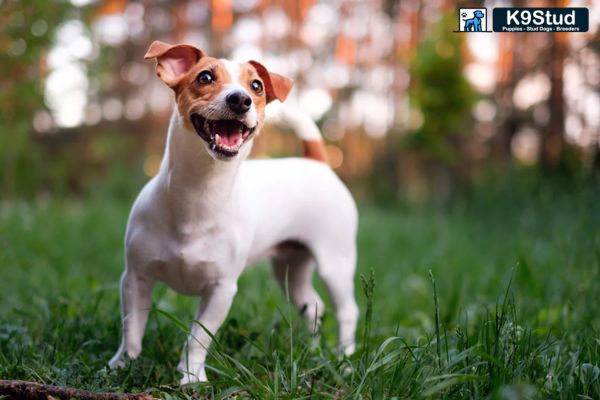
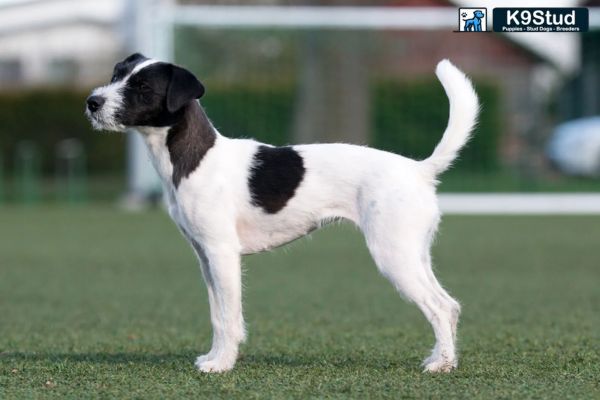
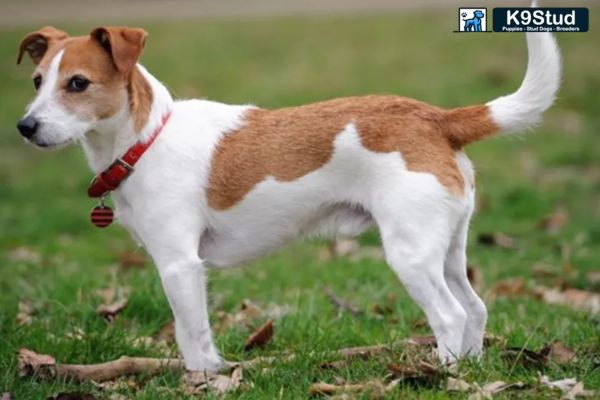
Jack Russell Terrier
A pint-sized working terrier with the drive, courage, and stamina of a dog three times its size.
About the Jack Russell Terrier
The Jack Russell Terrier was developed in the south of England in the early 1800s by the Reverend John Russell — a hunting parson known to friends as “Jack” — who wanted a small, hardy terrier that could keep pace with the foxhounds and then dive underground to bolt the fox from its den. His foundation dog, a white-bodied terrier named Trump, set the mould: a leggy, mostly white worker with the nerve to face quarry in a dark, cramped earth and the stamina to run all day. Two centuries later the breed still carries that purpose in its bones, which is exactly why it behaves the way it does.
Bold, tireless, and famously intelligent, the Jack Russell is a big dog in a small frame. It is alert, vocal, and endlessly busy, with an intense prey drive that can switch on the instant a squirrel, cat, or rustling hedge crosses its path. That same drive makes the breed a natural at earthdog trials, agility, flyball, and barn hunt, where its speed and problem-solving genuinely shine. This is a dog that thinks for itself, and an owner who mistakes that independence for stubbornness will usually lose the argument.
It is worth being honest about what that means day to day. A Jack Russell is not a low-maintenance lap dog; it is a working terrier that needs a job. Under-exercised or left to its own devices, it will dig up the garden, scale or tunnel under fences to go hunting, bark at everything that moves, and chase anything smaller than itself. Bright, active homes that enjoy training and outdoor pursuits adore this breed — but it is genuinely ill-suited to passive households or first-time owners who expect a quiet, easygoing companion.
Breed Characteristics
- Stamina Level: Extremely high — a tireless working terrier bred to run with the hounds
- Grooming: Low; smooth, broken, and rough coats all shed and need only weekly brushing (more for rough coats)
- Training Ease: Highly intelligent but independent and easily bored — needs firm, upbeat, consistent handling
- Size: Small (13–17 lbs; 10–12 inches at the shoulder)
- Temperament: Bold, energetic, fearless, vocal, and intensely driven
Care Requirements
Exercise is not optional with this breed. Plan on a solid hour or more of real activity every day — brisk walks, off-lead running in a secure space, fetch, and vigorous play — backed up by mental work such as trick training, scent games, or a dog sport. Fencing must be tall and dug-in, because a bored Jack Russell is an escape artist and a determined digger. A tired terrier is a good terrier; an under-stimulated one will find its own entertainment, and you will not like it.
Grooming is refreshingly simple. Smooth and broken coats need a weekly brush, while rough coats benefit from occasional hand-stripping; all three shed more than their size suggests. The Jack Russell is a long-lived breed, often reaching 13 to 16 years, so screening matters — buy from breeders who test for luxating patella, primary lens luxation and other hereditary eye disease, and deafness (particularly in heavily white-coated dogs). Keep the dog lean, keep its mind busy, and it will stay sound and game well into old age.