Great Pyrenees
A giant, gentle white guardian of the mountains — calm, patient, and quietly devoted to those in its care.
About the Great Pyrenees
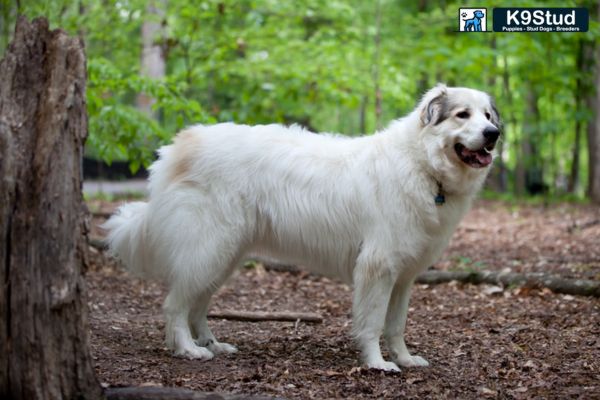
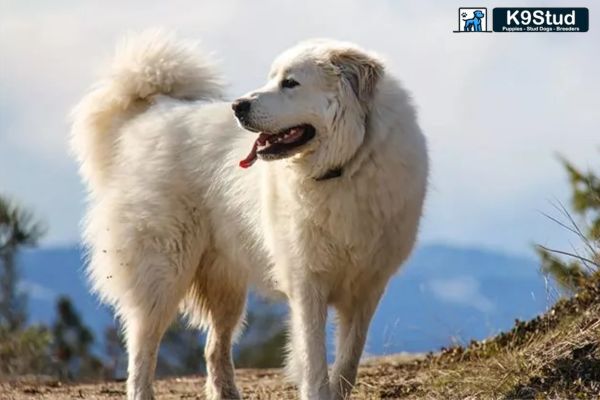
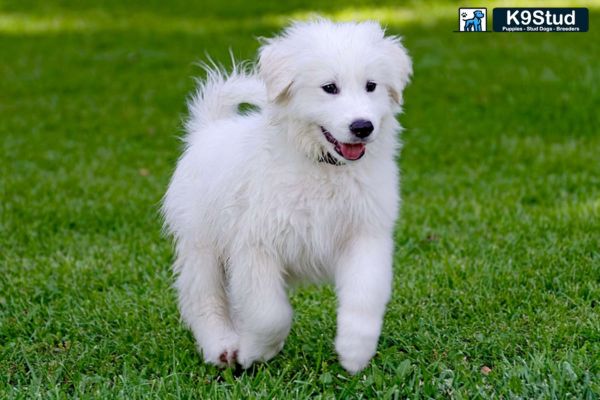
The Great Pyrenees — known in Europe as the Pyrenean Mountain Dog — takes its name from the rugged mountain range that forms the border between France and Spain. For centuries shepherds there relied on these giant white dogs to live out among the flocks, guarding sheep and goats from wolves, bears, and thieves on high summer pastures where no human could watch through the night. The breed's pale coat let herders tell their guardian apart from a predator in the dark, while its sheer size and booming bark were often enough to turn danger away before a fight ever began.
What makes the Great Pyrenees so effective as a guardian also shapes what it is like to live with. This is not a dog that was bred to follow a handler's every cue; it was bred to be left alone with the flock and to make its own decisions about what counted as a threat. That deep independence means the Pyr is calm, thoughtful, and remarkably patient, but it is honestly not a highly obedient or reliably off-leash dog. It weighs your requests against its own judgment, and it is happiest when it is trusted with a territory and the animals or people it considers its own.
Around the family, a well-raised Great Pyrenees is a majestic, mellow companion — affectionate, tolerant of children, and gentle with the livestock, poultry, and smaller pets it comes to regard as its charges. Beneath that serene exterior sits a serious protective instinct that switches on the moment something feels wrong. Prospective owners should also know the breed roams: a Pyr sees the horizon as part of its patrol and will travel far given the chance, so secure fencing is not optional. And it barks, especially at night, as a deliberate, inherited part of the job of warning predators away.
Breed Characteristics
- Stamina Level: Moderate — steady, tireless patrolling rather than bursts of high-energy exercise
- Grooming: High; a thick weather-resistant double coat that sheds heavily and needs regular brushing
- Training Ease: Challenging — intelligent but independent, bred to think for itself
- Size: Giant (85–120+ lbs; 25–32 inches at the shoulder)
- Temperament: Calm, patient, gentle, devoted, and strongly protective
Care Requirements
The Great Pyrenees needs room to be itself. This is a dog built for space and cool weather, not for apartments or long runs alongside a jogger; a couple of daily walks and a large, securely fenced yard to patrol suit it far better than intense workouts. Its thick coat makes it heat-sensitive, so shade, fresh water, and exercise in the cooler parts of the day are essential in warm climates. The breed also carries distinctive double dewclaws on its hind legs — a hallmark of the standard — which should be checked and kept trimmed.
That gorgeous double coat sheds year-round and blows heavily in season, so plan on brushing at least weekly (more during coat blows) to prevent mats and control the fur. Because giant breeds carry real health risks, buy only from breeders who screen for hip and elbow dysplasia, patellar luxation, and heart conditions, and learn the warning signs of bloat (gastric torsion), feeding measured meals and avoiding hard activity right after eating. Early, patient socialization and secure fencing round out the essentials of raising a sound, well-mannered Pyr.