Dogo Argentino
A powerful all-white Argentine mastiff — courageous, athletic, and fiercely devoted to its family.
About the Dogo Argentino
The Dogo Argentino was created in the 1920s by Dr. Antonio Nores Martinez, a physician and hunter from Cordoba, Argentina, who wanted a single dog capable of pursuing large, dangerous game across the country's varied terrain. He began with the now-extinct Cordoba Fighting Dog and crossed it with an ambitious mix of breeds — including the Great Dane for size, the Boxer for spirit, the Pointer for scenting ability, along with the Bulldog, Bull Terrier, Irish Wolfhound, Spanish Mastiff, and others. His goal was to replace the aggression of the fighting stock with a stable, biddable temperament while keeping the strength and nerve needed to hunt in a pack.
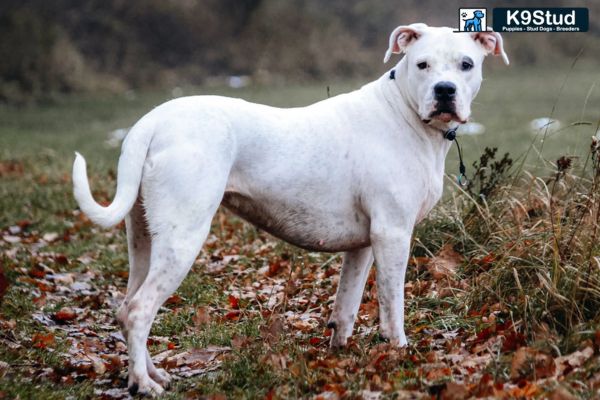
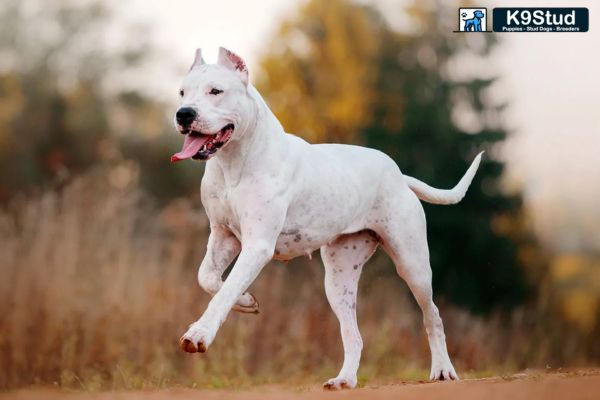
The result is a large, muscular, and remarkably athletic dog wrapped in a short, pure-white coat. Bred to work alongside other dogs and human hunters after wild boar and puma, the Dogo combines endurance, agility, and a fearless drive to close with quarry. That same courage carries into the home, where a well-raised Dogo is affectionate, playful, and intensely loyal, forming a deep bond with its people and a strong instinct to guard them. These are dogs that thrive on being part of the family rather than being kept at a distance.
For all its warmth at home, the Dogo Argentino is not a beginner's dog. Its size, power, and natural protectiveness demand an experienced, confident owner who can provide structure, extensive early socialization, and firm but positive, reward-based training. Prospective owners should also know that the breed is subject to breed-specific legislation and is banned or restricted in some countries and cities. Anyone considering a Dogo should check local laws carefully before bringing one home, and be honest about whether they can meet the breed's substantial needs.
Breed Characteristics
- Stamina Level: Very high — a tireless big-game hunting athlete
- Grooming: Low; a short white coat that sheds lightly, though the skin is sun-sensitive
- Training Ease: Moderate — intelligent and willing, but strong-minded and best for experienced owners
- Size: Large (80–100 lbs; 24–27 inches at the shoulder)
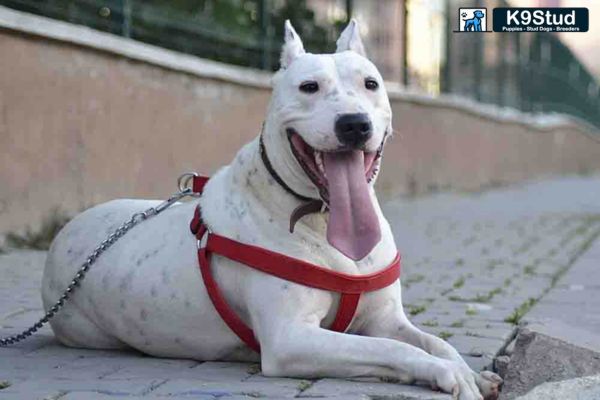
- Temperament: Loyal, affectionate, brave, and protective of family
Care Requirements
The Dogo Argentino is a working athlete that needs a serious outlet for its energy every single day. Plan on an hour or more of vigorous exercise — long walks or runs, hiking, fetch, or dog sports — combined with mental work like obedience, scent games, or trick training. Just as important is early, ongoing socialization: this breed carries a strong prey drive and can be dog-aggressive without careful exposure to other dogs, animals, and people from puppyhood. A well-socialized Dogo raised with clear leadership is far steadier than one left to its own instincts.
Grooming is refreshingly simple — the short coat needs only a weekly brush and the occasional bath — but that thin white coat and pale skin sunburn easily, so limit midday sun and use dog-safe sunscreen on exposed areas. On the health side, the breed's white pigmentation is linked to congenital deafness, so responsible breeders BAER-test puppies; ask for results before buying. Also look for hip screening to guard against hip dysplasia and thyroid testing for hypothyroidism, and keep your Dogo lean and well-conditioned throughout its life.