Bernese Mountain Dog
A gentle Swiss farm giant — calm, affectionate, and unmistakable in glossy black, rust, and white.
About the Bernese Mountain Dog
The Bernese Mountain Dog is a true farm dog, developed in the pastures and dairy country around the canton of Bern in Switzerland. Known in its homeland as the Berner Sennenhund, it is one of the four Sennenhund, or Swiss mountain dog, breeds — a group of tricolor working dogs that once earned their keep on Alpine smallholdings. For generations the Bernese was the all-purpose helper of the Swiss farmer: driving dairy cattle between fields, pulling carts of milk and cheese to market, and standing watch over the homestead. That practical, easygoing working past still shapes the calm and biddable dog we know today.
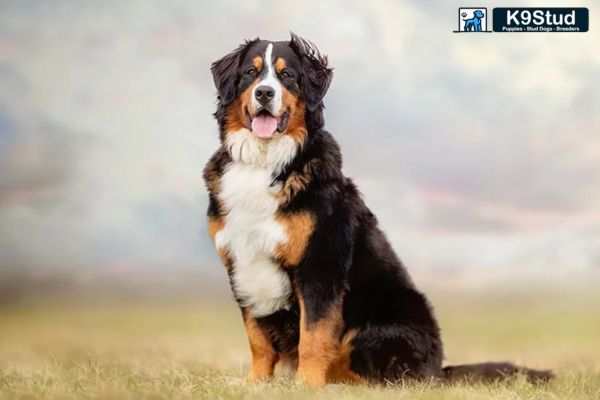
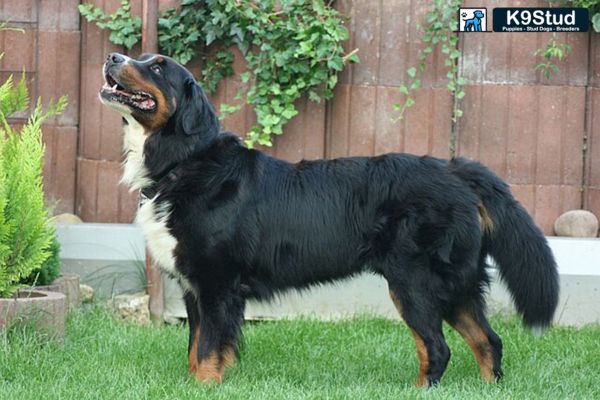
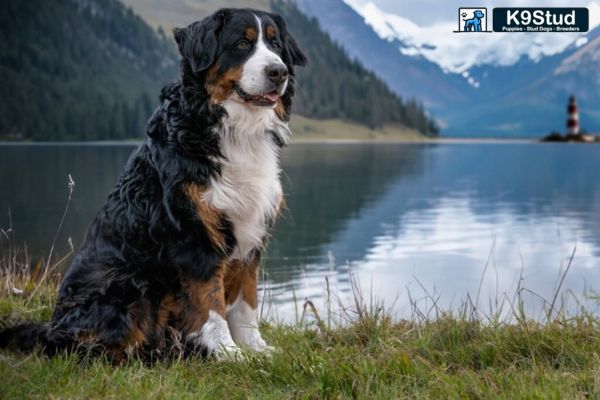
Physically, the Bernese is hard to mistake for anything else. It is a large, sturdy, heavy-boned dog wrapped in a thick, moderately long, and slightly wavy double coat of jet black, marked with rich rust over the eyes, on the cheeks, chest, and legs, and finished with crisp white on the muzzle, chest, feet, and tail tip. Males typically stand 25 to 27.5 inches at the shoulder and can weigh anywhere from about 80 to 115 pounds, with females a touch smaller. Beneath all that presence is a soft, sweet expression that matches the breed's reputation perfectly.
In temperament the Bernese is the gentle giant of the working group. These are calm, affectionate, and deeply devoted dogs that bond hard with their people and are famously patient and good-natured with children. They tend to be reserved rather than aggressive with strangers, self-assured without being sharp, and happiest simply being near the family. Slower to mature and less driven than many working breeds, a Bernese wants companionship and inclusion far more than it wants a demanding job, which is exactly why it has become such a beloved family companion.
Breed Characteristics
- Stamina Level: Moderate — strong but not tireless, and quick to overheat
- Grooming: High; a thick double coat that sheds year-round and blows heavily twice a year
- Training Ease: Good — willing and sensitive, best with gentle, positive methods
- Size: Large (70–115 lbs; 23–27.5 inches at the shoulder)
- Temperament: Calm, gentle, affectionate, and patient with children
Care Requirements
Despite its size, the Bernese is a moderate-energy breed. Around 30 to 60 minutes of daily activity — walks, a gentle hike, some yard play, or a bit of cart-pulling — keeps it fit and content without wearing it out. Because that heavy coat traps heat, this is a genuinely heat-sensitive dog: exercise during the cool parts of the day, provide shade and water, and never push a Bernese in hot, humid weather. They love cold and snow far more than summer sun.
That beautiful double coat is a real commitment. Brush at least once or twice a week to prevent mats, and daily during the heavy spring and fall sheds; expect fur on everything, and note that the breed also drools somewhat. Just as important is health: because the Bernese is prone to hip and elbow dysplasia, bloat, and an unusually high cancer rate, buy only from breeders who provide OFA or PennHIP hip and elbow clearances and who breed for longevity, feed measured meals, and avoid hard exercise right after eating.