Bernedoodle
A Bernese Mountain Dog and Poodle cross bred for an affectionate, goofy nature and a low-shedding coat.
About the Bernedoodle
The Bernedoodle is a designer crossbreed that pairs the Bernese Mountain Dog with the Poodle. Although a handful of these crosses appeared earlier, the deliberate breeding program most people trace the dog to began in the 2000s, when a Canadian breeder set out to combine the Berner's warm, easygoing temperament with the Poodle's brains and low-shedding coat. The hope was also that crossing two purebred lines would introduce some hybrid vigor and, over time, a longer and healthier life than the notably short-lived Bernese Mountain Dog tends to enjoy on its own.
It is important to be clear about what a Bernedoodle is and is not. It is a first- or multi-generation cross, not a standardized purebred, and it is not recognized by the American Kennel Club. Because a crossbred puppy can inherit any mix of traits from either parent, individuals vary far more than they would within an established breed. Coat type, size, color, shedding, and temperament are all tendencies rather than guarantees, and a reputable breeder will be honest about that variability rather than marketing the dog as a perfectly predictable package.
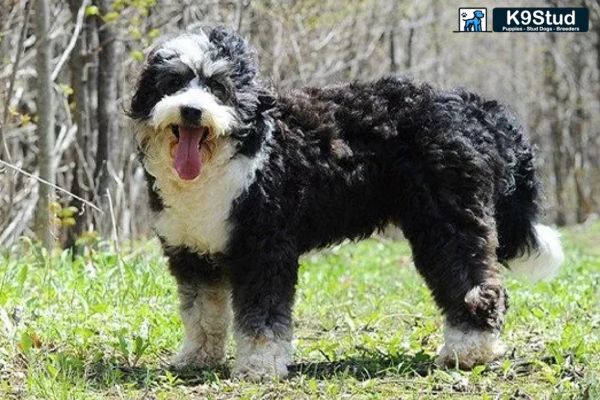
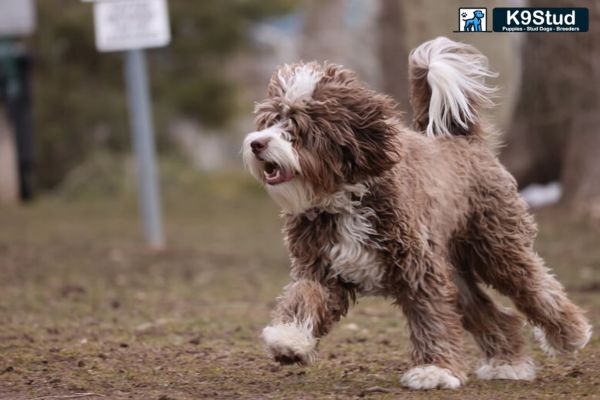
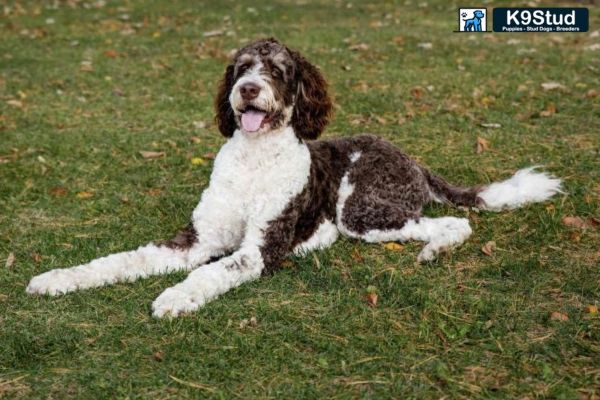
Bernedoodles come in three broad sizes that depend on the Poodle parent used. Standard Bernedoodles, from a Standard Poodle, are large dogs; Miniature Bernedoodles come from a Miniature Poodle; and the smallest, sometimes called Tiny or Toy, come from a Toy Poodle. Most are affectionate, playful, and firmly people-oriented, with a goofy streak that endears them to families. They can also inherit a dose of Berner stubbornness, so while they are generally willing learners, patient and consistent training pays off. The coat is often tricolor black, white, and rust, though many other colors and patterns occur.
Breed Characteristics
- Stamina Level: Moderate — happy with daily walks and play, not a hard-driving working dog
- Grooming: High; the wavy-to-curly coat needs regular brushing and professional grooming to prevent matting
- Training Ease: Good — intelligent and eager, but can inherit some Berner stubbornness
- Size: Variable — Standard, Miniature, or Tiny depending on the Poodle parent (roughly 10–90 lbs)
- Temperament: Loyal, goofy, affectionate, and strongly family-oriented
Care Requirements
Bernedoodles are companion dogs at heart and do best with people around. A Standard needs a good daily walk plus some active play or training, while smaller versions need proportionally less, but all of them crave company and can struggle if left alone for long stretches. Early socialization and short, positive training sessions bring out their willing side and help manage any inherited stubbornness before it sets in.
The wavy or curly coat that makes Bernedoodles low-shedding also demands real upkeep. Brush several times a week and schedule professional grooming every couple of months, or the coat will mat close to the skin. On health, buy only from breeders who test both parents: hip and elbow dysplasia, hereditary eye disease, and degenerative myelopathy can all pass to a puppy, and the Bernese side carries a well-documented predisposition to cancer. Hybrid vigor helps, but it is not a substitute for parental health screening.