Cavapoo
A small, sweet-natured designer companion that lives for human company — and rarely wants to be far from it.
About the Cavapoo
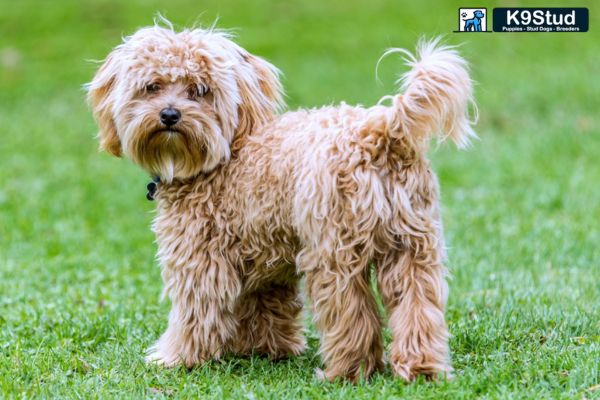
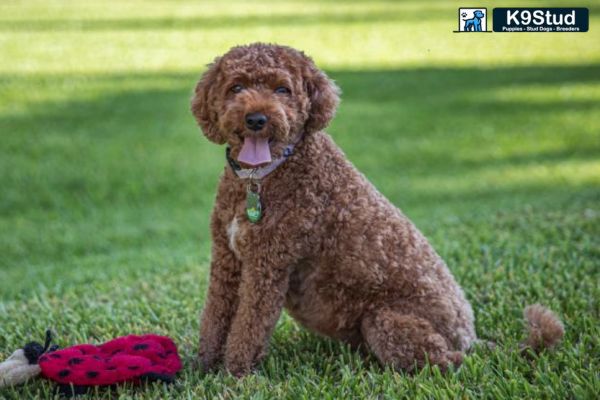
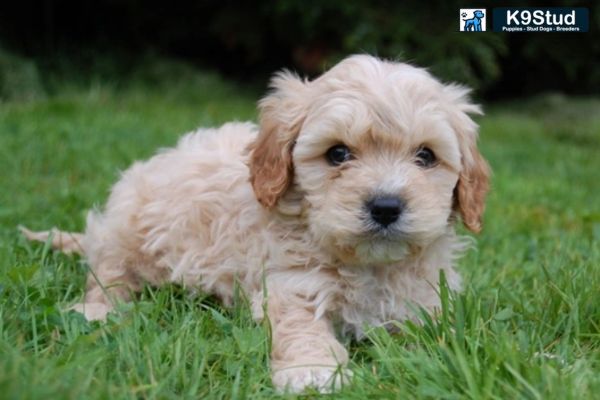
The Cavapoo — known in Australia and the UK as the Cavoodle — is a designer crossbreed created by pairing a Cavalier King Charles Spaniel with a Poodle, most often a Toy or Miniature. It is not a purebred and is not recognized by the American Kennel Club or other major registries as a distinct breed; rather, it is a first- or later-generation cross bred for a specific goal: the affectionate, gentle disposition of the Cavalier combined with the intelligence and lower-shedding coat many people hope to get from the Poodle side. Because it is a hybrid, individual puppies can lean toward either parent in looks, coat, and personality.
In temperament, the Cavapoo is about as easygoing and people-loving as small dogs come. These are gentle, cuddly, endlessly sociable little dogs that thrive on being part of the family. They are typically excellent with children and generally friendly toward other dogs and pets, showing little of the guarding or aloofness seen in more independent breeds. A Cavapoo wants to be wherever its people are — on the sofa, underfoot in the kitchen, or curled in a lap — which is a large part of the breed's appeal for families, retirees, and first-time owners alike.
That devotion has a flip side worth understanding before you commit. The Cavapoo strongly dislikes being left alone and is genuinely prone to separation anxiety; a dog left by itself for long stretches every day may bark, whine, or become destructive out of distress. The upside is that they are bright and eager to please, which makes them very trainable when you use positive, reward-based methods and start early socialization as a puppy. They suit households where someone is home much of the day far better than homes where the dog would be alone from morning to night.
Breed Characteristics
- Stamina Level: Moderate — happy with daily walks and play, but not a working endurance dog
- Grooming: High; the soft wavy-to-curly coat needs regular brushing and professional trims to prevent matting
- Training Ease: Good — intelligent and eager to please with reward-based training
- Size: Small (roughly 9–25 lbs; about 9–14 inches at the shoulder, depending on the Poodle parent)
- Temperament: Gentle, affectionate, sociable, and strongly attached to its people
Care Requirements
A Cavapoo's exercise needs are modest and easily met: a couple of short-to-moderate walks a day plus some play and training keeps most individuals content and well behaved. What they need far more of is company and mental engagement. Build a routine that avoids leaving them alone for long periods, introduce short absences gradually while they are young, and give them puzzle toys, gentle training games, and plenty of interaction to keep that quick little mind busy.
Coat care is where this breed asks the most. The soft, wavy-to-curly coat is typically low-shedding — a tendency, not a guarantee, since coat type varies from dog to dog — and it mats easily without upkeep. Brush several times a week and schedule professional grooming every six to eight weeks. Because health in any cross depends on both parents, buy only from breeders who health-test both sides: the Cavalier for mitral valve heart disease and syringomyelia, and the Poodle for progressive retinal atrophy, luxating patella, and Addison's disease.