English Bulldog
A wrinkled, easygoing companion — mellow, devoted, and famously content to loaf beside you all day.
About the English Bulldog
The English Bulldog was born of a brutal chapter in England's history. Its ancestors were bred for bull-baiting, a blood sport in which dogs were set against a tethered bull for public entertainment. The breed's low-slung body, powerful jaws, and pushed-in nose were all shaped to help it grip and hang onto a thrashing animal. When Britain outlawed bull-baiting under the Cruelty to Animals Act of 1835, the Bulldog lost its purpose and very nearly disappeared along with the sport that created it.
What saved the breed was a deliberate campaign by Victorian-era admirers to reinvent it. Breeders selected away from aggression and toward gentleness, calmness, and companionship, gradually transforming a fighting animal into a mellow family dog. That effort succeeded so completely that the modern English Bulldog is now one of the most placid and affectionate breeds you can own. It has become a beloved national symbol of Britain and a fixture in homes and on sports fields as a good-natured mascot.
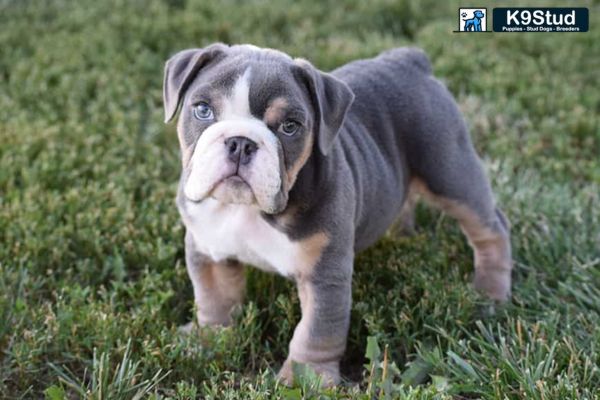
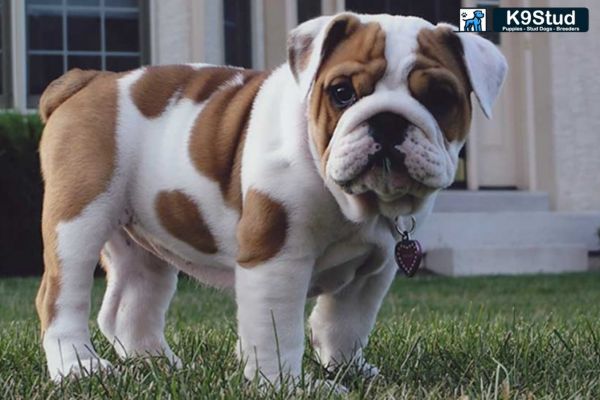
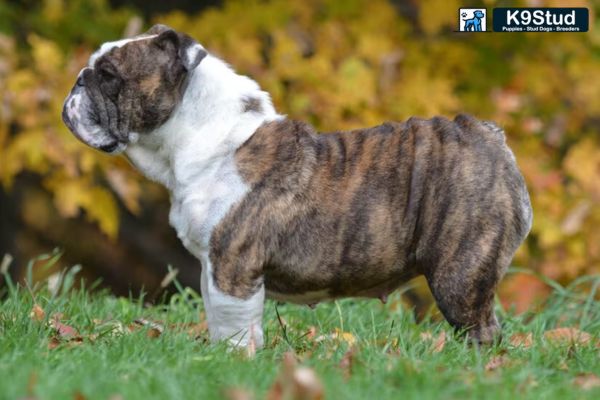
Today's Bulldog is a stocky, medium-sized dog with a wide head, loose folded skin, an undershot jaw, and an unmistakable rolling gait. Temperamentally it is calm, friendly, and remarkably tolerant, forming strong bonds with its people and getting along famously with children. Bulldogs are not energetic or driven; most are content to nap for much of the day and are perfectly suited to apartments and quiet households. They are also known for two comic traits owners quickly come to expect: loud snoring and a fair amount of gas.
Breed Characteristics
- Stamina Level: Low — short, gentle activity only; tires and overheats quickly
- Grooming: Minimal coat care, but wrinkles and the tail pocket must be cleaned regularly
- Training Ease: Moderate — intelligent but stubborn; responds best to short, food-motivated sessions
- Size: Medium (40–55 lbs; about 14–15 inches at the shoulder)
- Temperament: Calm, affectionate, easygoing, and wonderful with children
Care Requirements
Exercise for a Bulldog should be light and carefully timed. A couple of short walks in cool weather are plenty; because the breed is brachycephalic and prone to overheating, you must never over-exercise it or leave it outside in the heat, and it should never be pushed on hot or humid days. That low activity level, combined with a hearty appetite, makes obesity a constant risk, so measured meals and a lean body condition are essential to protect the joints and airway.
Grooming the coat is easy, but the skin needs work. Wipe and dry every facial and body wrinkle, along with the pocket beneath the tail, several times a week to prevent skin-fold dermatitis and infection. Keep the dog cool with air conditioning and shade, always provide fresh water, and choose only responsible breeders who health-test their stock. Owners should also know that most Bulldog litters are delivered by planned C-section because the puppies' large heads make natural birth risky.