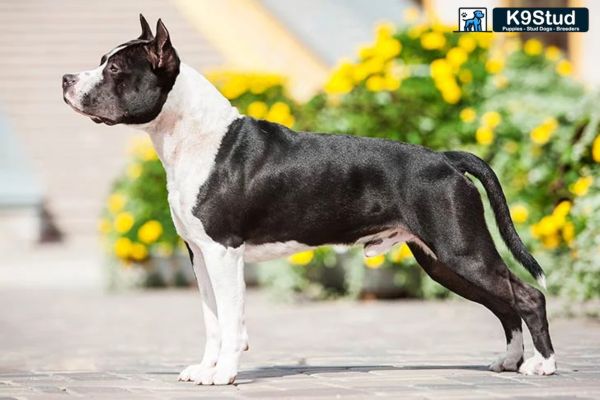
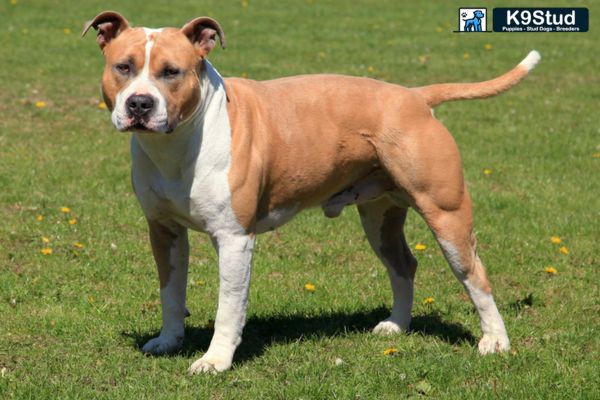
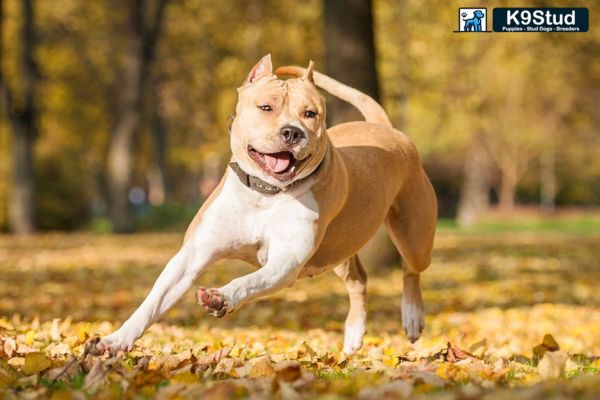
American Staffordshire Terrier
The muscular, big-hearted “AmStaff” — courageous and confident, yet devoted and gentle with the people it loves.
About the American Staffordshire Terrier
The American Staffordshire Terrier is a true bull-and-terrier breed born on American soil. Its roots reach back to nineteenth-century England, where breeders crossed the old bulldog with spirited terriers to create an agile, tenacious dog. Immigrants brought those early bull-and-terriers to the United States, where they were bred larger and heavier over the following decades. When the American Kennel Club recognized the breed in 1936, it drew a formal line between the pedigreed show dog — first called the Staffordshire Terrier and renamed the American Staffordshire Terrier in 1972 — and the working dogs registered as American Pit Bull Terriers. The two share a common ancestry and remain closely related, but the AmStaff is a distinct registry breed with its own written standard.
Beneath that famously muscular, athletic frame is a dog that is far softer than its reputation suggests. Well-bred AmStaffs are confident, courageous, and stubbornly loyal, yet genuinely affectionate and people-loving at home. They are often gentle and patient with their own families and have long carried the nickname “nanny dog” for their tolerance of children they are raised with, though no dog of any breed should ever be left unsupervised with young kids. What defines a good AmStaff is not toughness but temperament: a steady, biddable companion that wants nothing more than to be at its person's side.
Prospective owners should go in clear-eyed. The AmStaff is a strong, driven dog that thrives with a responsible, committed owner who provides structure from puppyhood. Early, thorough socialization and consistent training are not optional — they are what shape the confident, well-mannered adult the breed can be. It is also honest to note that many AmStaffs are dog-selective or can be dog-aggressive, particularly toward same-sex dogs, so careful management around other animals matters. The breed and its pit-bull-type relatives are subject to breed-specific legislation and housing or insurance restrictions in some cities and countries, and owning one responsibly means understanding the laws where you live.
Breed Characteristics
- Stamina Level: High — a powerful, athletic dog built for activity
- Grooming: Very low; a short, glossy single coat that needs only weekly brushing
- Training Ease: Good — intelligent and eager to please, but strong-willed and best with firm, positive guidance
- Size: Medium (40–70 lbs; 17–19 inches at the shoulder)
- Temperament: Confident, courageous, loyal, and deeply affectionate with family
Care Requirements
The AmStaff is an energetic, muscular dog that needs real daily exercise — brisk walks, jogging, fetch, tug, or dog sports such as weight pull, agility, or obedience. Just as important is mental engagement and firm, positive-reinforcement training; this is a smart, willing breed that responds far better to consistency and reward than to harsh handling. A bored or under-exercised AmStaff can become destructive, so give it a job and plenty of together-time with its people.
Grooming could hardly be simpler: the short, close coat needs only a weekly once-over with a rubber curry brush and the occasional bath, and shedding is modest year-round. On the health side, buy only from breeders who screen their stock. The breed can be affected by canine hip dysplasia, heart disease, skin and food allergies, and luxating patella, and it carries a risk of hereditary cerebellar ataxia (also called NCL-A), for which a reliable DNA test now exists. A responsible breeder will provide hip, cardiac, and ataxia clearances.