Bloodhound
The living nose of the dog world — a gentle, wrinkled tracker whose sense of smell has stood up in court.
About the Bloodhound
Few breeds carry a heritage as deep as the Bloodhound's. This is one of the oldest scent hounds in existence, and while its ancestors hunted across the ancient Mediterranean world, the modern dog owes its refinement to the monasteries of medieval Europe. Monks at the Abbey of Saint-Hubert in what is now Belgium bred these hounds so carefully that the breed was long known as the St. Hubert Hound, and their painstaking record-keeping is one reason the “blooded hound,” a dog of documented pure breeding, earned its name. Centuries of selection produced an animal built for one purpose above all others: to follow a scent, patiently and relentlessly, wherever it leads.
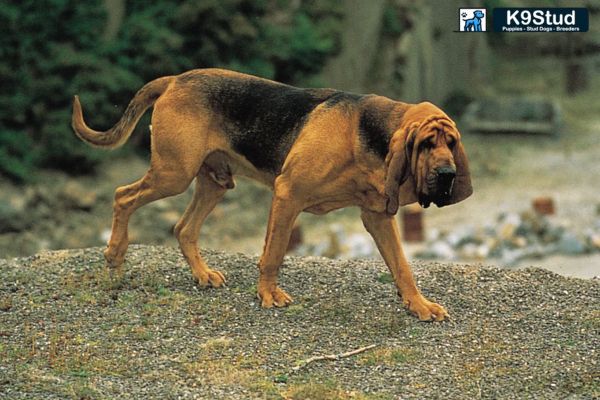
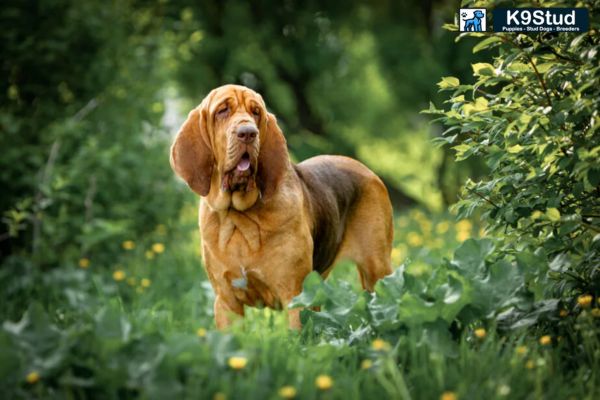
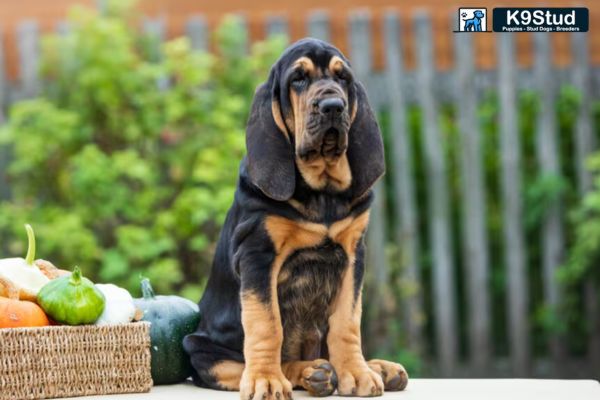
That purpose rests on the most remarkable nose in the canine world. A Bloodhound's muzzle packs in an enormous number of scent receptors, and the loose skin, long pendulous ears, and heavy folds all work together to trap odor around the nostrils as the dog works a trail. The result is a tracking ability so accurate and so consistent that a Bloodhound's identification of a trail has been accepted as evidence in a court of law — a distinction no other breed can claim. Search-and-rescue teams and law enforcement still turn to Bloodhounds today, precisely because a well-trained one can pick up and follow a human trail that is days old and miles long.
Away from the trail, the Bloodhound is an affectionate giant. It is gentle, easygoing, and famously patient, forming warm bonds with its family and showing remarkable tolerance with children and other dogs. But the same single-mindedness that makes it a peerless tracker makes it a challenging companion: once a Bloodhound locks onto an interesting smell, the rest of the world simply stops existing. It will follow that trail obliviously, deaf to every call, which is why a secure leash and a tall, well-anchored fence are not optional extras but genuine necessities for any owner.
Breed Characteristics
- Stamina Level: High — bred to work a trail tirelessly for hours over long distances
- Grooming: Low for the coat, but the ears, wrinkles, and heavy drool need regular attention
- Training Ease: Challenging — intelligent but notoriously stubborn and independent
- Size: Large (80–110 lbs; 23–27 inches at the shoulder)
- Temperament: Gentle, affectionate, patient, and single-minded once on a scent
Care Requirements
The Bloodhound's short, dense coat is genuinely low-maintenance and needs little more than a weekly wipe-down. The real work is in the details of that famous face. The long, dangling ears block airflow and trap moisture, so they must be checked and cleaned routinely to head off infections, and the deep facial wrinkles need regular wiping to stay dry and clean. Owners should also make peace with the drool: those heavy jowls sling saliva generously, and a “slobber towel” quickly becomes standard household equipment.
This is an athletic hound that needs daily exercise and long, sniff-rich walks on a leash to stay content, but it is also a breed with serious health considerations. As a large, deep-chested dog, the Bloodhound carries a high risk of bloat and gastric torsion (GDV), a sudden life-threatening emergency — feed measured meals, avoid hard activity right after eating, and learn the warning signs. Buy only from breeders who screen for hip and elbow dysplasia, and be prepared to manage ear infections and eye conditions such as entropion and ectropion throughout the dog's life.