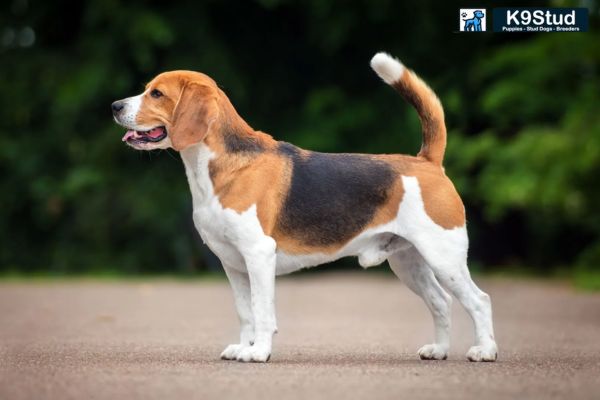
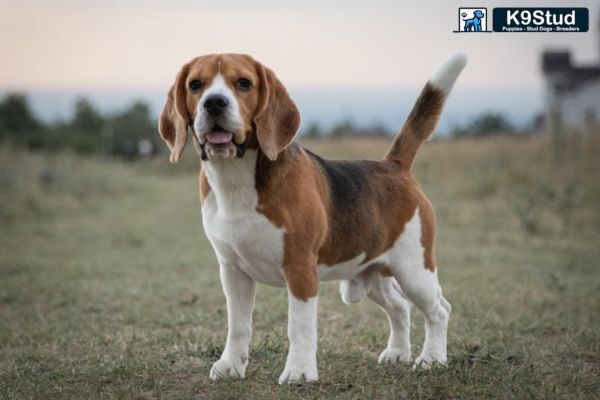
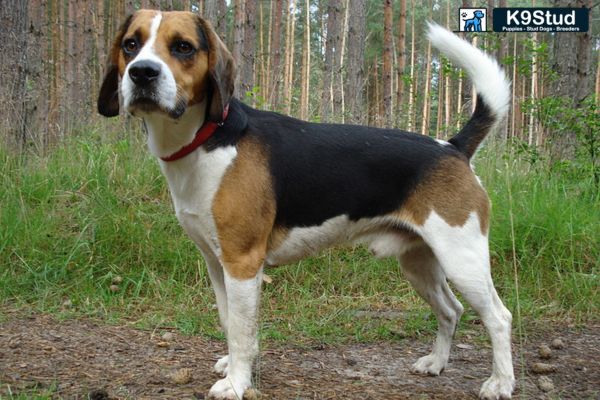
Beagle
A merry little scent hound with one of the finest noses in dogdom — friendly, curious, and endlessly good-natured.
About the Beagle
The Beagle is an English scent hound developed to trail rabbits and hare, hunting in packs on foot so that hunters could follow along without horses. Its exact origins are hazy — small hounds of this type existed in Britain for centuries — but the modern breed was standardized in the 1800s, and its name has long been a byword for a compact, hardworking pack hound. Bred to put its nose to the ground and stay on a trail for hours, the Beagle carries that job in its DNA to this day, whether it lives in a hunting kennel or on a suburban sofa.
What sets the Beagle apart is its nose. With roughly 220 million scent receptors, it possesses one of the keenest senses of smell of any dog, and that talent has given the breed a whole second career: Beagles are the classic detection dog, working airport baggage halls and border checkpoints around the world to sniff out prohibited food and contraband. Their small size, gentle manner, and non-threatening looks make them ideal for working in crowds of travelers — a friendly hound is far less intimidating than a large guard breed.
As a companion, the Beagle is famously merry. The breed standard itself calls for a happy, even temperament, and it shows: Beagles are friendly, curious, and deeply sociable, having been bred to live and work in packs. They are excellent with children and get on well with other dogs, rarely showing the aloofness or sharpness of guarding breeds. That same pack nature, though, means they hate being left alone for long stretches, and a lonely, bored Beagle will quickly find trouble — usually involving its nose, its voice, or the kitchen bin.
Breed Characteristics
- Stamina Level: High — a tireless trailing hound built to work all day
- Grooming: Low; a short, weatherproof coat that is easy to care for but sheds steadily
- Training Ease: Moderate — bright but independent and easily distracted by scent (food helps)
- Size: Small to medium (20–30 lbs; 13–15 inches at the shoulder)
- Temperament: Merry, friendly, curious, sociable, and gentle
Care Requirements
Beagles are active hounds that need a good hour of daily exercise to stay happy and out of mischief. Long sniffy walks, play sessions, and scent games suit them perfectly — but always on a leash and behind a secure fence. The Beagle nose overrides everything: once a dog locks onto an interesting trail it will follow it obliviously, deaf to its name and heedless of roads, which is why loose Beagles are a leading reason the breed lands in shelters. They are also highly food-motivated and prone to obesity, so measure meals, go easy on treats, and keep an eye on the waistline.
Grooming is refreshingly simple: a weekly brush keeps the short coat healthy, though the breed does shed, especially as the weather warms. Their long, drop ears trap moisture and are prone to infection, so check and clean them regularly. Buy from breeders who screen for hip issues, eye conditions such as glaucoma and cherry eye, epilepsy, hypothyroidism, and intervertebral disc disease. Prospective owners should also be ready for the Beagle voice — the breed is notably vocal, with a distinctive baying howl that carries a long way and does not endear it to close neighbors.